

Best Time to Visit Morocco (2026 Guide + Month-by-Month Weather)
Local insight from Magic Lamp Tours
We have been organizing private Morocco tours for more than 14 years, helping travelers experience Morocco in different seasons. Weather and travel conditions can vary considerably between Marrakech, the Atlas Mountains, the Sahara Desert and the Atlantic coast. The recommendations in this guide are based on our experience planning and operating Morocco itineraries throughout the year.
Written by the Magic Lamp Tours Team
Local Moroccan travel experts with 14+ years of experience planning private Morocco tours. Learn about Magic Lamp Tours.
Updated: September 2026
The short answer:
The best time to visit Morocco for most travelers is from March to May and September to November, when temperatures are generally comfortable for sightseeing, desert trips, and exploring the Atlas Mountains. The best time to visit Morocco also includes October and April, which are excellent for combining city visits and Sahara adventures.
However, Morocco is a year-round destination. The ideal month depends on where you want to go: October and April are excellent for combining cities and the Sahara, summer is better suited to the Atlantic coast, while winter offers fewer crowds and a peaceful desert experience.
The best time to visit Morocco can change based on your travel preferences and seasonal activities. Understanding the best time to visit Morocco will help you plan your itinerary effectively.
Ultimately, knowing the best time to visit Morocco will allow for a well-planned itinerary.
For those inquiring about the best time to visit Morocco, remember that this can vary based on seasonal activities.
| If you want… | Best time |
|---|---|
| 🏆 Best overall weather | April–May, September–October |
| 🏜️ Sahara Desert | October–April |
| 🏙️ Marrakech & Fes | March–May, September–November |
| 🏔️ Atlas Mountains | April–June, September–October |
| 🌊 Beaches | June–September |
| 💰 Lower prices | January–February, November |
| 📸 Photography | Spring & Autumn |
| ⭐ Stargazing | October–April |
| 🏄 Surfing | Autumn–Spring |
| ☀️ Winter sunshine | December–February |
Ultimately, the best time to visit Morocco will depend on your interests and travel preferences. Each season offers unique experiences and attractions.
What Is the best time to Visit Morocco
Best overall: March–May & September–November
Best individual months for a classic Morocco itinerary: April, May, October & early November
Best for Sahara: October–April
Best for beaches: June–September
Best for lower crowds/budget: January–February & November
Morocco Has Different Climates
Plan your itinerary around the best time to visit Morocco to make the most of your trip.
Morocco is not one climate zone. A traveler visiting Marrakech, the Sahara, the High Atlas and Essaouira during the same trip can experience very different temperatures and weather conditions. That’s why the “best time” depends partly on where you plan to travel.
🌍 Morocco Weather by Season
🌸 Spring (March – May) – Best Overall Time
Spring is widely considered the perfect time to travel across Morocco.
- Comfortable temperatures in cities like Marrakech and Fes
- Green landscapes and blooming nature
- Ideal for desert tours and mountain excursions
👉 Best for: First-time visitors, photographers, cultural trips
☀️ Summer (June – August) – Hot but Great for Coast
Summer can be very hot, especially inland and in the desert.
- Temperatures can exceed 40°C in Marrakech and the Sahara
- Coastal cities like Essaouira remain cooler and pleasant
- Great time for beach lovers
👉 Best for: Coastal travel, surfing, seaside relaxation
🍂 Autumn (September – November) – Perfect Balance
Autumn is another excellent season to visit Morocco.
- Warm but not extreme temperatures
- Fewer crowds than spring
- Ideal for desert experiences
👉 Best for: Sahara tours, road trips, comfortable travel
❄️ Winter (December – February) – Mild & Unique
Winter offers a different perspective of Morocco.
- Cooler weather in cities
- Snow in the Atlas Mountains
- Cold nights in the desert
👉 Best for: Budget travel, unique landscapes, fewer tourists
🏜️ Best Time for Sahara Desert Tours
The Sahara Desert is one of Morocco’s highlights, but timing matters.
Ultimately, the best time to visit Morocco varies based on personal preferences and what each traveler hopes to gain from their journey.
👉 Best months: October to April
- Pleasant daytime temperatures
- Comfortable nights (especially in luxury camps)
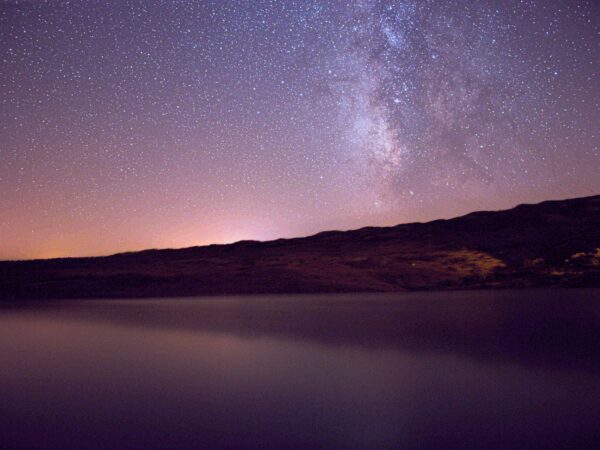
- Perfect for camel trekking and stargazing
🚫 Avoid:
- July & August (extreme heat). Read more below and benefit from our expereince.
These are Sahara conditions for Morocco Desert Tours.
| Month | Sahara conditions |
|---|---|
| January | Cool days, very cold nights |
| February | Pleasant days, cold nights |
| March | Excellent |
| April | Excellent |
| May | Warm/hot |
| June | Very hot |
| July | Extremely hot |
| August | Extremely hot |
| September | Hot but improving |
| October | Excellent |
| November | Excellent |
| December | Cool days, cold nights |
When planning your trip, keep in mind, that knowing the best time to go to Morocco maximize your enjoyment and comfort.
If you’re still wondering about the best time to visit Morocco, consider reaching out to local experts for personalized advice.
Planning a Sahara Desert trip?
See our recommended Morocco desert tours and choose the itinerary that works best for your travel dates.
Best balanced 4 days Morocco itinerary for desert trip from Marrakech.
5 days Sahara Tour From Marrakech for more time in the desert, or full 7 days Sahara desert Trip Experience.
🏙️ Best Time for Cities (Marrakech, Fes, Casablanca)
For exploring imperial cities:
Travelers should always consider the best time to visit Morocco when planning their itinerary to maximize enjoyment.
👉 Best time: March–May & September–November
- Walkable temperatures
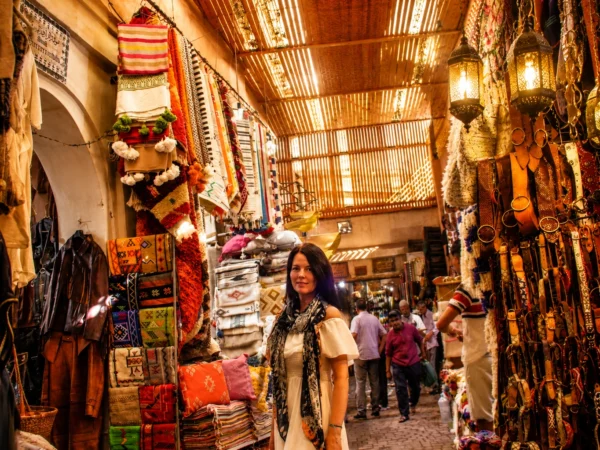
- Ideal for medinas, souks, and sightseeing
- Comfortable cultural experiences
Check our one week Morocco itinerary from Casablanca.
🌊 Best Time for Beaches (Essaouira, Agadir)
👉 Best time: May to September
- Warm weather
- Ocean breeze keeps temperatures pleasant
- Perfect for surfing and relaxing
Temperatures range from Winter to Summer for some Moroccan destinations.
Choosing the best time to visit the country can significantly improve your travel experience.
| Destination | Summer | Winter |
|---|---|---|
| Marrakech | 30–40°C+ | 18–22°C daytime |
| Fes | 30–38°C | 12–18°C |
| Merzouga | 35–45°C+ | 15–20°C daytime |
| Essaouira | 22–28°C | 17–21°C |
| Casablanca | 24–30°C | 16–20°C |
Knowing the best time to visit Morocco can greatly enhance your travel experience, allowing you to enjoy everything this beautiful country has to offer.
Therefore, understanding the best time to visit Morocco is vital for a fulfilling travel itinerary.
📅 Morocco Month-by-Month Guide
January in Morocco: Coldest Days, Fewer Crowds & Great Desert Nights
January is one of the coldest months in Morocco, with the early days of January often bringing some of the lowest temperatures of the year. While daytime temperatures can still be pleasant in cities such as Marrakech, Fes and Casablanca, mornings and evenings can be quite cold.
If your itinerary includes the Atlas Mountains, be prepared for much colder conditions. Temperatures can fall below 0°C (32°F) at higher elevations, and snow is possible. Warm layers, a proper jacket and comfortable shoes are especially important if you are crossing mountain passes or visiting high-altitude areas.
One of the biggest advantages of visiting Morocco in January is the lack of crowds. Popular attractions, medinas and historic sites are generally much quieter than during the busier spring and autumn periods. This gives you more time to explore at your own pace and enjoy Morocco’s sights without the same level of congestion.
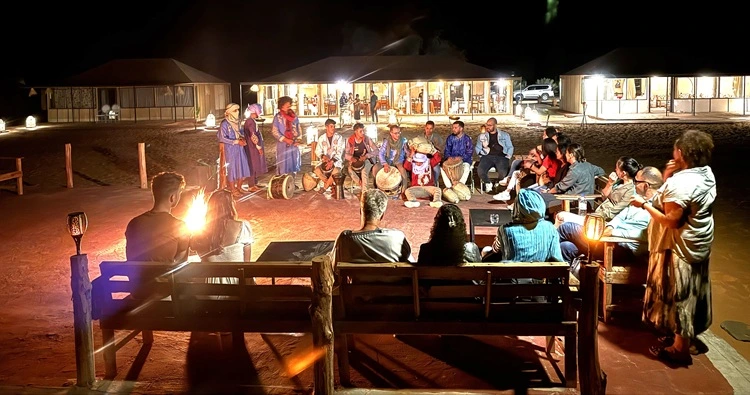
January is also an excellent month for spending a couple of nights in the Sahara Desert. Desert days can be sunny and comfortable, while the clear winter nights are ideal for sitting around the campfire, enjoying the stars and experiencing the peaceful atmosphere of the desert. However, desert nights can be very cold, so make sure your camp accommodation provides proper bedding and bring warm layers.
Our local tip: If you don’t mind cold mornings and evenings, January can be a rewarding time to explore Morocco. You will encounter fewer tourists, have a more relaxed experience at major attractions and can enjoy some of the best conditions for a peaceful Sahara Desert stay.
When seeking information about the best time to visit Morocco, travelers should consult local experts for personalized advice.
Best for: Fewer crowds, peaceful sightseeing, Sahara Desert stays and stargazing.
Watch out for: Freezing temperatures in the Atlas Mountains and very cold nights in the Sahara.
February in Morocco: Almond Blossoms, Fewer Crowds & Changing Weather
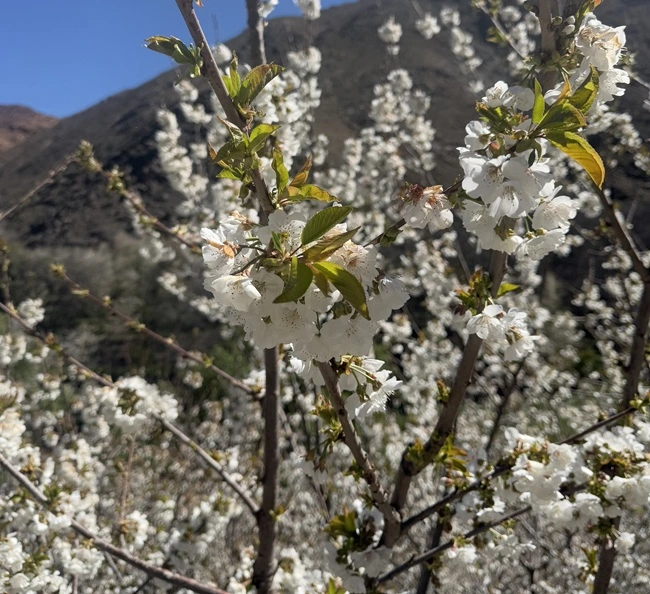
February is when Morocco begins to show the first signs of spring. Temperatures gradually start to rise, and in some areas, almond trees begin to blossom, creating beautiful landscapes of white and pink flowers. This is also a great time to experience the Almond Blossom Festival in the Tafraoute area, where the blooming trees and local celebrations bring a special atmosphere to southern Morocco.
As you consider your trip, keep in mind that the best time to visit Morocco can also depend on local festivals and cultural events.
The weather in February can still be unpredictable, however. Although some days can feel pleasantly warm, winter has not completely disappeared. You may experience sudden rain or cooler temperatures, particularly in the mornings and evenings. We recommend keeping your winter clothing and packing layers so you can adapt to changing conditions.
February is also outside Morocco’s main high season, which means fewer tourists and a more relaxed experience at many attractions. Hotels and riads generally have better availability, and this can sometimes give travelers more choice when selecting their rooms. At Magic Lamp Tours, when availability allows, we may also be able to arrange a room upgrade at no additional cost.
For travelers who prefer quieter trips, February can be an excellent compromise: you get the first signs of spring, fewer crowds and generally better availability, while still enjoying the winter atmosphere in the mountains and desert.
Best for: Almond blossoms, local festivals, fewer crowds, better accommodation availability and relaxed sightseeing.
Watch out for: Unpredictable weather, sudden rain and cool mornings and evenings.
Local tip: Keep your winter layers with you even when the forecast looks warm. February weather can change quickly, so dressing in layers is the safest option.
March in Morocco: Longer Days, Green Landscapes & Pleasant Weather
March marks the beginning of spring in Morocco, and the country gradually starts to come alive with longer daylight hours and greener landscapes. As the days become longer, you have more time to explore Morocco’s cities, valleys, mountains and countryside without having to rush between attractions.
One of the highlights of March is the scenery. After the winter rains, many valleys and rural landscapes become beautifully green, making this an excellent time for nature lovers, photographers and travelers who want to see a different side of Morocco beyond the imperial cities and desert.
The weather is generally comfortable, with many sunny days and pleasant evenings. Temperatures are warming up compared with winter, although evenings can still be cool, especially in the mountains and desert. Packing layers is still a good idea.
Early March can be one of our favorite times for a Morocco tour. It is still outside the main high season, so you can enjoy popular attractions with fewer crowds while benefiting from increasingly pleasant weather. As spring progresses, demand for tours and accommodation begins to increase.
March is particularly good for travelers who want to combine Marrakech, Fes, the Atlas Mountains and the Sahara Desert in one trip. You can enjoy comfortable sightseeing during the day while still experiencing the beautiful contrast between Morocco’s green spring landscapes and the dry desert.
Overall, the best time to visit Morocco is determined by your personal preferences and the experiences you seek.
Considering the best time to visit Morocco, many travelers find that the best time to visit Morocco aligns with their personal preferences and itineraries.
Best for: Green valleys, nature, sightseeing, photography, longer days and quieter travel.
Watch out for: Cool evenings and changing temperatures, particularly in the Atlas Mountains and Sahara.
Local tip: If you have flexibility with your dates, consider traveling in early March. You can enjoy many of the benefits of spring before the busier travel season begins.
April in Morocco: Ideal Weather, Lush Valleys & Spring Nature
Many travelers find that the best time to visit Morocco aligns with major events and festivals held throughout the year.
April is often considered one of the best months to travel around Morocco. Spring is fully underway, bringing pleasant temperatures, sunny days and beautiful green landscapes. The valleys and countryside can be especially lush at this time of year, making long scenic drives and outdoor exploration much more enjoyable.
April is also an excellent month for nature lovers and birdwatchers. Spring brings a variety of birdlife to Morocco, while the country’s different landscapes reveal an impressive range of fauna and flora. In the desert, you can discover that even seemingly barren landscapes are home to plants that have adapted to extremely dry conditions.
With Magic Lamp Tours, your desert experience can go beyond simply riding a camel and watching the sunset. Our local guides can introduce you to desert plants and their traditional uses, including how some plants and herbs have traditionally been used in Moroccan communities as a natural pharmacy and in traditional remedies.
The main disadvantage of April is that it is high season. European school holidays, including Easter and Semana Santa, can bring a significant increase in visitors, particularly around popular destinations and during the busiest holiday periods. Hotels and riads can also fill up quickly.
Our local tip: If you are planning to travel to Morocco in April, book your accommodation as early as possible. This gives Magic Lamp Tours more choice when looking for hotels and riads and helps us arrange comfortable rooms in the best locations for your itinerary.
If you can avoid the busiest European holiday dates, April can offer an excellent balance of pleasant weather, beautiful spring scenery and outdoor experiences.
Best for: Excellent weather, lush valleys, birdwatching, nature, desert exploration and sightseeing.
For those curious about the best period to visit Morocco for beach activities, summer offers warm weather perfect for relaxing by the coast.
Watch out for: High-season demand, especially around Easter and Semana Santa, and limited hotel availability if you book late.
Local tip: Book early for April travel. The earlier we know your dates, the more options we have to find the right accommodation and create a comfortable itinerary.
May in Morocco: Warm Days, Green Mountains & the Start of Summer
May is still a beautiful time to travel around Morocco, although it is considered part of the high season. Temperatures are beginning to rise, and travelers coming from colder parts of Europe and other northern countries may start noticing the difference, particularly when traveling through warmer southern areas. Having a vehicle with good air conditioning becomes increasingly important on longer journeys.
The Atlas Mountains and their valleys can still be beautifully green in May, especially earlier in the month. This makes it a rewarding time for scenic drives, nature and mountain excursions before the summer heat becomes more intense.
If you want to avoid the busiest period, the second half of May can be a good option. Visitor numbers may begin to ease compared with the peak spring holiday periods, while the weather is already warm enough for comfortable sightseeing.
However, May weather is not always completely predictable. In the Sahara Desert, travelers may occasionally experience strong winds or sandstorms during this period. These conditions are usually temporary, but they are worth knowing about when planning a desert journey.
What to Pack for Morocco in May
For most of your trip, lightweight and breathable clothing will be comfortable. However, we recommend bringing a light jacket or sweater for cooler evenings, especially in the mountains and during early mornings.
For more practical advice on clothing, shoes and other essentials, check our complete guide on what to pack for Morocco before your trip.
Best for: Warm weather, green Atlas Mountain valleys, outdoor activities and traveling before the peak summer heat.
Watch out for: Rising temperatures, high-season demand and the possibility of sandstorms in the Sahara.
Local tip: If you have flexibility, consider traveling in the second half of May. You may enjoy a quieter atmosphere while still benefiting from generally warm weather.
Planning a May trip? Book your accommodation in advance, especially if you are traveling through popular destinations, as good hotels and riads can fill up during the high season.
June in Morocco: Pleasant Early Summer & Cooler Coastal Escapes
For those considering when is the best time to visit Morocco, spring can be ideal for nature lovers and outdoor activities.
Early June can still be pleasantly warm, making it a good time for multi-day tours that combine several destinations, including the Imperial Cities of Morocco, Atlas Mountains and Sahara Desert.
As the month progresses, temperatures begin to rise, and by the end of June, summer is clearly arriving. If you are traveling during this period, it is important to choose your destinations carefully and be prepared for periods of intense heat, particularly in inland cities and southern Morocco.
The Atlantic coast becomes one of the favorite places to escape the heat. Destinations such as Essaouira, Agadir and other coastal towns generally offer more moderate temperatures and refreshing sea breezes compared with inland areas. This makes the coast an excellent addition to a summer itinerary.
If you are visiting Morocco in June, pack plenty of lightweight, breathable clothing, along with sun protection and comfortable shoes. A light layer can still be useful for cooler evenings or coastal breezes.
But don’t worry about bringing everything with you. Travel light and enjoy your journey — Magic Lamp Tours can take care of the rest. From transportation and accommodation to adjusting your itinerary around the weather, our local team can help you travel comfortably even as summer temperatures arrive.
Knowing the best time to visit Morocco can also help travelers avoid peak tourist seasons, resulting in a more enjoyable experience.
It can also influence the types of experiences you choose, like seeking out unique culinary adventures during your stay.
Best for: Early-summer multi-day tours, coastal escapes, beach destinations and travelers who want to combine cities with the coast.
Watch out for: Increasing heat toward the end of June, particularly in Marrakech, inland Morocco and the desert.
Local tip: If you are planning a multi-day Morocco tour in June, early June is generally the more comfortable choice. Later in the month, consider including coastal destinations such as Essaouira or Agadir to balance the heat.
What to pack: Lightweight and breathable clothes, sun protection, comfortable walking shoes and a light jacket or layer for cooler evenings.
July in Morocco: Hot Weather, Early Sightseeing & Cooler Evenings
July is hot in much of Morocco, particularly in inland cities such as Marrakech and in the desert. However, that doesn’t mean you have to postpone your trip. Magic Lamp Tours operates Morocco tours year-round, including during the summer, and we adapt our itineraries to help travelers enjoy Morocco more comfortably.
For guided sightseeing in July, one of our most important tips is to start as early as possible. Exploring medinas, monuments and outdoor attractions in the morning allows you to make the most of the cooler hours before the strongest heat arrives.
During the hottest part of the afternoon, roughly 13:00 to 18:00, we recommend taking a break whenever possible. This can be a good time to return to your riad or hotel, relax, enjoy the shade or take a refreshing break. Once temperatures begin to drop, Moroccan cities come alive again, making the evening an excellent time for walking, dining and enjoying the atmosphere.
Can You Visit the Sahara Desert in July?
Yes. Sahara Desert tours continue to operate in July, but the itinerary needs to be adapted to the heat.
For a more comfortable desert experience, we recommend arriving in the late afternoon or evening, when the worst heat has passed. You can check into your hotel, refresh yourself and then enjoy a camel ride around sunset. Afterward, spend the night somewhere with air conditioning so you can sleep comfortably.
Another option is to choose a luxury desert camp with air conditioning. Air-conditioned luxury tents are increasingly available, although they usually come at an additional cost. If this is important to you, let Magic Lamp Tours know when booking and we can look for suitable accommodation.
Whatever your itinerary, staying hydrated is essential in July. Carry water with you, drink regularly throughout the day and take breaks whenever you feel the heat becoming too intense.
Best for: Travelers comfortable with hot weather, early-morning sightseeing, coastal destinations and travelers looking for a quieter summer travel experience.
Watch out for: Very high daytime temperatures, especially inland and in the Sahara.
Local tip: In July, don’t try to fight the heat — work around it. Sightsee early, rest during the hottest afternoon hours and enjoy the city again in the evening.
Sahara tip: If you’re visiting the desert in July, consider arriving later in the day, enjoying your camel ride around sunset and choosing an air-conditioned hotel or luxury camp for the night.
A Comfortable July Strategy: Base Yourself in Marrakech
If you prefer a slower pace during the summer, you don’t necessarily need to change hotels every night. One of our favorite strategies for July is to stay in one comfortable hotel or riad in Marrakech and use it as your base for day trips.
You can explore Marrakech early in the morning, when temperatures are more comfortable, then return to your hotel around midday and enjoy the pool, shade and a relaxing lunch during the hottest hours. Later in the afternoon or evening, you can head back out to enjoy Marrakech when temperatures become more pleasant.
From Marrakech, you can also take day trips to places such as Essaouira or the Atlas Mountains, allowing you to experience very different landscapes without packing and unpacking every day.
Our local tip: In the summer heat, sometimes the best itinerary is not the one that covers the most places — it’s the one that gives you enough time to enjoy them comfortably.
August in Morocco: Peak Summer Heat & Slower Travel
August is generally the hottest month of the year in Morocco, particularly in inland cities and the southern regions. Like July, it is still possible to enjoy a Morocco tour, but your itinerary should be planned around the heat rather than trying to maintain the same pace you would use during spring or autumn.
During the hottest hours of the day, try to walk less under direct sunlight and avoid scheduling too many outdoor activities back-to-back. Starting sightseeing early in the morning, taking a longer break around midday and enjoying the evening are much more comfortable ways to experience Morocco in August.
We also recommend drinking plenty of water and staying well hydrated throughout the day. If you are spending time outdoors, use sun protection and pay attention to insects, particularly in rural and natural areas.
Coastal cities such as Essaouira and Agadir can be excellent choices during the hottest months. You can also choose day trips from Marrakech and spend the hottest part of the day relaxing at your accommodation.
You may notice a gradual change toward the end of August, when evenings can begin to feel fresher and temperatures slowly start to ease. It is still summer, but late August can be a little more comfortable than the peak of the month.
How to Travel Morocco Comfortably in August
August is not the month to fill every day with activities. Instead, allow yourself more time to relax and enjoy your accommodation, especially if it has a pool or shaded outdoor area. Choose shorter sightseeing periods, take breaks during the hottest part of the day and make more use of the cooler mornings and evenings.
Magic Lamp Tours operates tours in August, and we can adapt your itinerary according to the heat. Tell us your travel dates and interests, and we can help you plan a route that gives you memorable experiences without unnecessarily exposing you to the hottest part of the day.
Best for: Travelers who enjoy summer, coastal destinations, relaxed itineraries and warm evenings.
Watch out for: Peak temperatures, dehydration, prolonged exposure to the sun and overly ambitious sightseeing schedules.
Local tip: In August, less is more. Plan fewer activities than you would during cooler months, walk less during the hottest hours and give yourself time to rest.
Planning an August trip? Ask Magic Lamp Tours how to organize your itinerary around the heat so you can enjoy Morocco at a more comfortable pace.
September in Morocco: Cooling Temperatures & Date Harvest Season
September marks the beginning of the transition from summer to autumn in Morocco. Temperatures gradually start to come down, although daytime can still be quite warm, particularly in inland and southern areas. The evenings generally become more comfortable, making it easier to enjoy Morocco’s cities and outdoor spaces after sunset.
The Atlas Mountains can still be enjoyed in September, and snow is generally not present on the higher peaks yet, although conditions vary depending on elevation and the year. The valleys remain attractive for hiking and scenic drives as the summer heat begins to ease.
September is also a special time in southern Morocco because it coincides with the date harvest season. Palm groves begin producing their sweet dates, and travelers may have the opportunity to see this important local agricultural tradition and taste fresh dates directly from the region.
During the day, you can still experience strong sunshine and warm temperatures, especially if the weather remains dry. However, if the first autumn rains arrive early, conditions can change quickly and temperatures may become more pleasant.
Best for: Date harvests, desert landscapes, Atlas Mountain trips, sightseeing and the transition from summer to autumn.
Watch out for: Warm daytime temperatures and the possibility of early seasonal rain.
Local tip: September is a good month if you want to experience Morocco after the peak summer heat while still enjoying plenty of sunshine. For outdoor activities, start earlier in the day and take advantage of the increasingly pleasant evenings.
October in Morocco: Ideal Weather for Families, Desert Tours & City Exploration
October is widely considered one of the best months to visit Morocco. Temperatures are generally comfortable for exploring cities, traveling through the countryside and enjoying outdoor activities, making it an excellent choice for almost every type of traveler.
It is particularly suitable for families traveling with children. The weather is usually much more manageable than during the summer, allowing families to explore medinas, monuments and outdoor attractions without dealing with extreme heat. The cooler evenings also make it easier to enjoy dinners, walks and activities after a day of sightseeing.
October is an excellent month for Sahara Desert tours. Daytime temperatures are generally much more comfortable than in summer, while the desert’s clear evenings provide excellent conditions for enjoying the sunset, spending time at a desert camp and looking up at the stars.
It is also a great month for exploring Morocco’s Imperial Cities, including Marrakech, Fes, Rabat and Meknes. You can combine city sightseeing with the Atlas Mountains, the Sahara and other regions without the intense summer heat.
The main disadvantage is that October can be very busy. Because the weather is so pleasant, demand for tours, hotels and riads increases, and popular attractions can become crowded. Good accommodation can also become harder to find, especially for specific room types or popular properties.
Best for: Families, first-time visitors, Sahara Desert tours, Imperial Cities, sightseeing and outdoor activities.
Watch out for: Crowds, higher demand and limited hotel availability during busy periods.
Local tip: If you are planning to travel in October, book your accommodation and tour early. This gives Magic Lamp Tours more flexibility to find the right hotels and rooms and build a comfortable itinerary for your family or group.
Since October is the best month to explore Morocco, with comfortable temperatures for families, city sightseeing and the Sahara, If you have time, we recommend our 10-Day Morocco Tour from Casablanca. It is a great way to experience several of Morocco’s highlights in one trip.
November in Morocco: Ideal Desert Weather & Golden-Hour Photography
November is one of our favorite months for a Sahara Desert experience. Temperatures in the desert become much more comfortable than during the summer, making it easier to enjoy the dunes, explore the surrounding areas and spend time outdoors.
Our biggest recommendation for November travelers is simple: stay longer in the desert.
Many travelers plan only one night in the Sahara, while spending several nights in Marrakech or other cities. We think this is a missed opportunity. The desert is not simply a place to arrive in the evening, sleep in a camp and leave the next morning. With at least two nights, you have time to slow down and experience the desert properly.
A second night gives you the opportunity to explore more of the Erg Chebbi area around Merzouga, experience the changing light across the dunes, visit local communities and enjoy the peaceful atmosphere without constantly watching the clock.
November also brings shorter days and beautiful golden-hour light, which can be especially rewarding for photographers. The low angle of the sun can create vivid colors and long shadows across the dunes, particularly around sunrise and sunset.
The comfortable desert weather makes November an excellent month for combining a Sahara stay with Marrakech, Fes, the Atlas Mountains and other Moroccan destinations.
Best for: Sahara Desert tours, longer desert stays, photography, sunrise and sunset experiences, and comfortable outdoor exploration.
Watch out for: Shorter daylight hours and cooler evenings, particularly in the desert.
From spring blossoms to autumn harvests, each season in Morocco presents a chance to experience the best time to visit Morocco for unique adventures.
Local tip: Don’t spend several nights in Marrakech and only one night in the Sahara. If your itinerary allows, we strongly recommend at least two nights in the desert. The extra night gives you time to experience the desert rather than simply passing through it.
Photography tip: November’s shorter days can create beautiful golden-hour light across the dunes. Sunrise and sunset are particularly rewarding times for photography.
December in Morocco: Quiet Early Month, Cold Nights & Winter Desert Experiences
December brings the beginning of winter to Morocco, with shorter daylight hours and colder temperatures, particularly in the Atlas Mountains and at night in the desert. If you are traveling during this month, packing properly is essential. Warm layers, a good jacket and suitable shoes will make a big difference, especially when moving between Morocco’s warmer cities and colder mountain or desert regions.
Early December can be a peaceful time to visit Morocco. Visitor numbers are generally lower, allowing you to enjoy attractions with fewer crowds and giving you more accommodation choices.
In summary, the best time to visit Morocco is when you can enjoy it the most and create lasting memories.
The situation changes as New Year’s Eve approaches. Hotels, riads and desert camps can become very busy, and availability becomes more limited. Cold winter nights also mean that the quality of heating and bedding becomes particularly important. Travelers who book late or choose accommodation without adequate winter facilities may find the experience less comfortable than expected.
For this reason, we recommend either avoiding the New Year period or booking your accommodation well in advance. At Magic Lamp Tours, we pay particular attention to choosing suitable accommodation and ensuring that winter conditions are taken into account when planning your itinerary.
December is also a good month for a Sahara Desert tour, especially during the first part of the month. The days can be crisp and pleasant, while the desert offers a peaceful winter atmosphere. Just remember that desert nights can be very cold, so choosing a camp or hotel with appropriate heating and warm bedding is essential.
Because daylight hours are shorter, we also recommend planning a slightly less ambitious itinerary than you might choose in spring or summer. Allow enough time to enjoy each destination without trying to fit too many activities into limited daylight.
Best for: Early-month travel, fewer crowds, Sahara Desert experiences and travelers who enjoy winter landscapes.
Watch out for: Cold nights, shorter days, freezing conditions in higher mountain areas and limited accommodation availability around New Year.
Local tip: If you want a quieter and more comfortable December trip, travel early in the month. If you specifically want to celebrate New Year’s Eve in Morocco, book your accommodation and tour well in advance and make sure your desert camp or hotel is properly equipped for cold weather.
Traveler tip: Don’t try to cover too much ground in December. Shorter daylight hours make a well-paced itinerary much more enjoyable.
Morocco Weather by Region: What to Expect
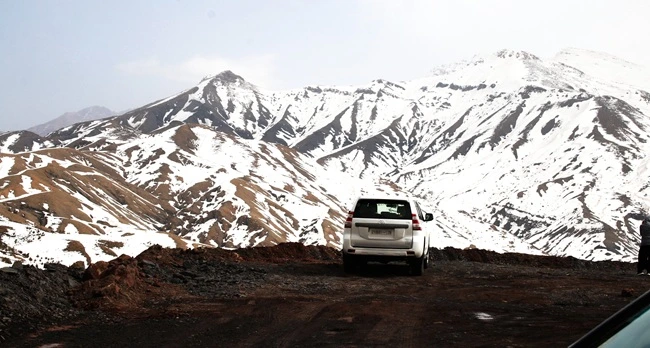
Morocco’s weather varies significantly from one region to another. The Atlantic coast can remain cool and breezy while Marrakech is hot, and the Atlas Mountains can be considerably colder than both. Understanding these regional differences can help you choose the right itinerary, clothing and travel dates.
Marrakech & Inland Cities: hot summers, pleasant spring/autumn, cooler winter nights. If Marrakech is part of your itinerary, our Marrakech Travel Guide can help you plan what to see, where to stay and how to make the most of your time in the city.
Fes, Meknes & Northern Morocco: more seasonal variation and more winter rain.
Atlantic Coast: Essaouira, Agadir, Casablanca; milder summers and coastal breezes
Atlas Mountains :cooler temperatures, snow possible in winter at higher elevations
Sahara Desert : very hot summers, comfortable autumn/winter/spring, cold nights in winter
Southern Morocco & Oases: hotter and drier, with significant day/night temperature differences
As you plan your adventure, keep the best time to visit Morocco in mind to maximize your enjoyment.
Ultimately, the best time to visit Morocco is when it aligns with your travel goals and expectations.
⚠️ When to Avoid Visiting Morocco
- July & August (inland/desert): Extreme heat, but following our recommendations will reward you with a nice experience.
- Visiting Morocco During Ramadan (for some travelers)
Traveling to Morocco During Ramadan
Traveling to Morocco during Ramadan can be a fascinating cultural experience. Sightseeing and tours continue as normal, but some restaurants and businesses may have different daytime opening hours, while many services operate on modified schedules. Shops and establishments licensed to sell alcohol may also stop selling alcohol during Ramadan, and even some larger supermarkets such as Carrefour may restrict or suspend alcohol sales during this period. Travelers should be respectful of people who are fasting during daylight hours, particularly when eating or drinking in public.
As the sun sets, Morocco comes alive with lively evenings, family gatherings and special Ramadan meals. With some flexibility when planning your days, Ramadan can be a rewarding time to experience Moroccan culture from a different perspective. Since Ramadan moves approximately 10–11 days earlier each year in the Gregorian calendar, check the dates for the year of your trip and plan accordingly.
In summary, the best time to visit Morocco varies depending on the experiences you want to have and the regions you plan to explore.
Our local tip: During Ramadan, Magic Lamp Tours can adjust sightseeing, meal and transportation schedules when necessary, helping you travel comfortably while respecting the rhythm of the holy month.
🧭 How to Choose the Right Time for YOUR Trip
It depends on your goals:
- 👉 Culture & cities → Spring / Autumn
- 👉 Desert experience → October to April
- 👉 Beaches → Summer
- 👉 Budget travel → Winter
Best Time to visit Morocco: Overview we Recommend as Local Moroccan Tour Guides
After years of organizing private Morocco tours, we find that April, May, October and early November offer the best balance for travelers who want to combine Marrakech, Fes, the Atlas Mountains and the Sahara.
✨ Plan Your Perfect Morocco Trip
No matter when you visit, Morocco offers unforgettable experiences — from the magic of the Sahara Desert to the vibrant energy of its ancient cities.
At Magic Lamp Tours, we create custom Morocco itineraries tailored to your travel dates, interests, and style.
👉 Whether you’re planning a short getaway or a full adventure, we’ll design the perfect journey for you.
Ready to Plan Your Morocco Trip?
ll us your travel dates, destinations and interests, and our local Morocco travel experts will help you create a private itinerary suited to the season and weather.
Get Your Free Custom Morocco Itinerary →
Chat on whatsapp and get fast answers.
Popular options:
To discover the best time to visit Morocco, consider your travel goals and the experiences that await.
Understanding the best time to visit Morocco can greatly enhance your travel experience and help you create lasting memories.
For an enjoyable adventure, regularly check the best time to visit Morocco based on the activities you wish to pursue.
In summary, each season offers a different perspective on the best time to visit Morocco.