This guide was written by the team at Magic Lamp Tours, a Moroccan travel company with over 14 years of experience creating private tours across Morocco. Our recommendations are based on first-hand local knowledge and regular updates.
Last updated: July 2026
Planning a trip to Marrakech? This complete Marrakech Travel Guide covers everything you need to know before visiting, including the best attractions, where to stay, local food, transportation, safety, costs, cultural etiquette and the best day trips
Marrakech Travel Guide: Quick Answers
Topic
Information
Airport
Marrakech Menara Airport
Currency
Moroccan Dirham
Best Season
Spring & Autumn
Recommended Stay
3–5 Days
Language
Arabic, Amazigh, French
Time Zone
GMT starting from September 20, 2026, at 2:00 AM
Best time to visit: March–May and September–November are generally comfortable periods, although Marrakech can be visited year-round.
How long to stay: 3–4 days is enough for the major sights; 5–7 days allows day trips and a slower experience.
Best things to do: Explore the Medina, Jemaa el-Fna, Bahia Palace, Ben Youssef Madrasa, Majorelle Garden, souks and local food scene.
Best day trips: Atlas Mountains, Essaouira, Ouzoud Waterfalls and Agafay Desert.
Best place to stay: Medina for atmosphere and traditional riads; Gueliz/Hivernage for a more modern experience.
Is Marrakech safe? Generally yes, but travelers should be aware of common tourist scams, traffic and crowded areas.
Read below the complete Marrakech travel guide.
Why Visit Marrakech?
Marrakech is one of Morocco’s most fascinating cities, where centuries-old traditions meet a modern international travel scene. From the winding alleys of the Medina and the energy of Jemaa el-Fna to historic palaces, colorful souks, traditional hammams and excellent Moroccan food, the Red City offers something for almost every traveler.
This Marrakech Travel Guide is designed to help you plan your trip with practical advice from a local Moroccan tour operator. You’ll find current information on the best things to do, where to stay, when to visit, how to get around, what to eat, day trips, costs, safety, cultural etiquette and how many days to spend in Marrakech.
Marrakech is located in central Morocco, at the foot of the High Atlas Mountains. It is approximately 240 km from Casablanca and provides a convenient base for exploring southern Morocco, the Atlas Mountains, Essaouira and the Sahara.
One of Marrakech’s greatest advantages is its proximity to a wide variety of landscapes and attractions. In just a short drive, you can explore the snow-capped High Atlas Mountains, visit traditional Berber villages, hike through scenic valleys, discover the UNESCO World Heritage Site of Ait Ben Haddou, or continue south to the golden dunes of the Sahara Desert. The charming coastal town of Essaouira is also an easy day trip, offering a refreshing escape with its beaches, fishing port, and relaxed atmosphere.
Because of its excellent transportation links and central location, Marrakech is often the starting or ending point for many of Morocco’s most popular private tours and road trips. Whether you’re planning a city break, a desert adventure, or a grand tour of Morocco, Marrakech provides convenient access to the country’s diverse landscapes, rich history, and unforgettable cultural experiences.
Marrakech is a year-round destination, but the best time to visit depends on the type of experience you’re looking for. Thanks to its sunny climate and more than 300 days of sunshine each year, the city welcomes visitors in every season. However, spring and autumn are generally considered the most pleasant times to explore Marrakech and the surrounding regions.
Spring (March to May): The Best Overall Season
Spring is widely regarded as the ideal time to visit Marrakech. Daytime temperatures usually range between 20°C and 30°C (68°F to 86°F), making it comfortable to stroll through the Medina, visit gardens and palaces, enjoy rooftop terraces, or take day trips to the Atlas Mountains.
The surrounding countryside is at its greenest after the winter rains, and wildflowers bloom across the valleys, creating beautiful landscapes. This is also one of the best seasons for Sahara Desert tours, as the weather is warm without being excessively hot.
Best for: Sightseeing, outdoor activities, desert tours, photography, and first-time visitors.
Summer (June to August): Hot but Manageable
Summer in Marrakech can be very hot, with daytime temperatures often exceeding 40°C (104°F) in July and August. While the heat may seem intimidating, many travelers still enjoy visiting during this season by planning activities in the early morning and evening.
Air-conditioned riads, hotels, restaurants, and museums provide welcome relief, while rooftop dining and the lively atmosphere of Jemaa el-Fna become especially enjoyable after sunset. If you’re continuing to the Atlantic coast or the High Atlas Mountains, you’ll also experience cooler temperatures.
Best for: Budget travelers, luxury hotel deals, and visitors who don’t mind warm weather.
Autumn (September to November): Excellent Weather
Autumn offers another perfect window for visiting Marrakech. Temperatures gradually cool after summer, typically ranging from 24°C to 32°C (75°F to 90°F). The weather is sunny, pleasant, and ideal for families to explore the city on foot.
This is one of the busiest seasons for private Morocco tours, especially those combining Marrakech with the Sahara Desert, Fes, Chefchaouen, and Casablanca. September and October are particularly popular because desert nights become cooler while daytime conditions remain comfortable.
Best for: Cultural sightseeing, Morocco road trips, and desert adventures.
Winter (December to February): Mild Days and Cool Nights
Winter is surprisingly enjoyable in Marrakech. Daytime temperatures usually range between 18°C and 22°C (64°F to 72°F), providing ideal conditions for exploring the Medina, visiting museums, shopping in the souks, and enjoying outdoor cafés.
Evenings can become chilly, especially in the desert and the Atlas Mountains, so packing a warm jacket is recommended. Winter also offers spectacular views of the snow-capped High Atlas Mountains, creating a beautiful contrast with Marrakech’s palm trees and red city walls.
The Christmas and New Year holiday period is one of the busiest times of the year, so booking accommodation and tours well in advance is highly recommended.
Best for: Comfortable city exploration, winter sunshine, and holiday vacations.
Month-by-Month Overview
Month
Weather
Crowds
Recommendation
January
Mild days, cool nights
Moderate
★★★★☆
February
Pleasant and sunny
Moderate
★★★★☆
March
Warm and comfortable
Moderate
★★★★★
April
Excellent weather
High
★★★★★
May
Warm with long sunny days
High
★★★★★
June
Hot
Moderate
★★★★☆
July
Very hot
Lower
★★★☆☆
August
Very hot
Lower
★★★☆☆
September
Warm and pleasant
High
★★★★★
October
Ideal temperatures
High
★★★★★
November
Mild and sunny
Moderate
★★★★★
December
Comfortable days
High during holidays
★★★★☆
When Should You Visit Marrakech?
If you’re visiting Marrakech for the first time, March to May and September to November offer the best balance of pleasant weather, outdoor activities, and unforgettable sightseeing. These months are ideal for exploring the city’s historic landmarks, wandering through the colorful souks, relaxing in traditional riads, and combining your stay with a Sahara Desert tour or an adventure through the Atlas Mountains.
No matter when you visit, Marrakech has something unique to offer. From vibrant spring gardens and warm summer evenings to crisp winter mornings and spectacular autumn sunsets, every season reveals a different side of Morocco’s most iconic city.
The ideal length of your stay in Marrakech depends on your interests and whether you plan to explore beyond the city. While it’s possible to see the main highlights in two or three days, staying longer allows you to experience Marrakech at a more relaxed pace and discover some of Morocco’s most spectacular landscapes.
2 Days in Marrakech
If you’re short on time, two days are enough to visit Marrakech’s most famous attractions. Spend your time exploring the UNESCO-listed Medina, wandering through the colorful souks, visiting Bahia Palace, admiring the Koutoubia Mosque from the outside, and experiencing the lively atmosphere of Jemaa el-Fna Square. You can also enjoy a traditional Moroccan hammam and dine at one of the city’s rooftop restaurants overlooking the Medina.
Ideal for: Weekend city breaks and first-time visitors with limited time.
Three days is the perfect amount of time for most travelers. In addition to the city’s major landmarks, you’ll have time to visit the Majorelle Garden, Ben Youssef Madrasa, Le Jardin Secret, and several museums. You can also explore Marrakech’s modern district of Gueliz, enjoy authentic Moroccan cuisine, and experience the city’s vibrant nightlife.
Many visitors also choose to take a half-day cooking class, ride a hot air balloon at sunrise, or enjoy a traditional dinner with live Moroccan entertainment.
Ideal for: Most first-time visitors who want to experience Marrakech without feeling rushed.
4 to 5 Days in Marrakech
With four or five days, you can combine sightseeing with memorable day trips. Popular excursions include the Ourika Valley, the High Atlas Mountains, Imlil, Ouzoud Waterfalls, the Agafay Desert, or the charming coastal town of Essaouira.
This extra time also allows you to slow down, enjoy Marrakech’s beautiful riads, shop for handmade crafts, and discover quieter neighborhoods away from the busiest tourist areas.
Ideal for: Travelers who enjoy culture, nature, and authentic local experiences.
7 Days or More
If you have a full week or longer, Marrakech becomes the perfect starting point for exploring Morocco. Many travelers combine the city with a private Sahara Desert tour, visiting destinations such as Ait Ben Haddou, Ouarzazate, Todra Gorge, the Merzouga Desert, Fes, Chefchaouen, Casablanca, or Rabat.
A longer itinerary lets you experience Morocco’s incredible diversity—from bustling cities and ancient kasbahs to mountain villages, palm-filled valleys, and the golden dunes of the Sahara. A great option would be taking a 5 days tour from Marrakech to Merzouga Desert.
Ideal for: Visitors wanting a complete Moroccan adventure.
For most travelers, three to four days is the ideal amount of time to enjoy Marrakech itself. This gives you enough time to visit the city’s iconic landmarks, explore the Medina at a relaxed pace, experience Moroccan cuisine, and enjoy its unique atmosphere without feeling rushed.
If you’re traveling all the way to Morocco, however, we highly recommend extending your stay and combining Marrakech with a 3 to 10-day private tour. The Sahara Desert, the High Atlas Mountains, UNESCO World Heritage Sites, and Morocco’s Imperial Cities are among the country’s greatest highlights and are easily accessible from Marrakech.
Suggested Itineraries
2 Days: Explore Marrakech’s main attractions and the Medina.
3 Days: Discover the city in depth, including gardens, museums, and local experiences.
4–5 Days: Add one or two day trips to the Atlas Mountains, Agafay Desert, or Essaouira.
7–10 Days: Combine Marrakech with the Sahara Desert, Fes, Chefchaouen, Casablanca, or other destinations on a private Morocco tour. A good itinerary for this last option is the 8 days tour from Marrakech.
Whether you’re visiting for a short city break or a longer journey across Morocco, Marrakech offers the perfect balance of history, culture, cuisine, and adventure. Many travelers arrive planning to stay for just a few days and leave wishing they had stayed longer.
Top 25 Awesome Things to do Marrakech
Marrakech is a city that awakens all your senses. From bustling markets and magnificent palaces to peaceful gardens and unforgettable desert adventures, there is something for every traveler. Whether you’re visiting for a weekend or using the city as the starting point for a Morocco tour, these are the 25 best Marrakechactivities.
1. Explore Jemaa el-Fna Square
With our marrakech travel guide, you’ll discover the best times to visit, essential tips, and a curated list of activities that showcase the rich culture and history of this incredible city.
The heart of Marrakech comes alive from morning until late at night. Watch street performers, musicians, storytellers, henna artists, and food vendors while soaking up the unique atmosphere of Morocco’s most famous square.
💡 Local Tip
Visit Jemaa el-Fna just before sunset to experience the square as it transitions from daytime market to evening food stalls and live performances.
⭐ Recommended Experience
If you only have one extra day, choose the Atlas Mountains.
If you have three extra days, book a Sahara Desert tour.
2. Wander Through the Medina
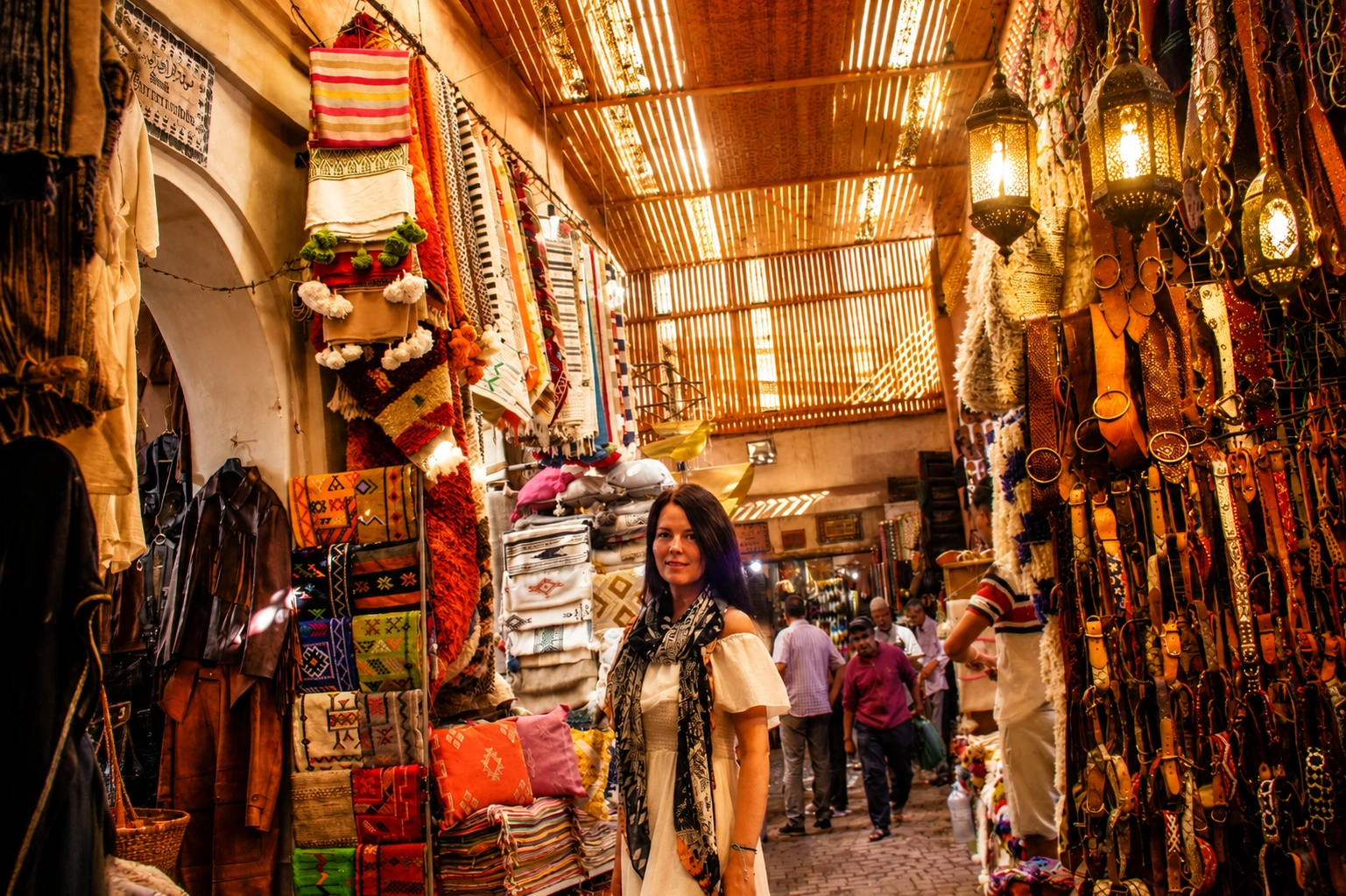
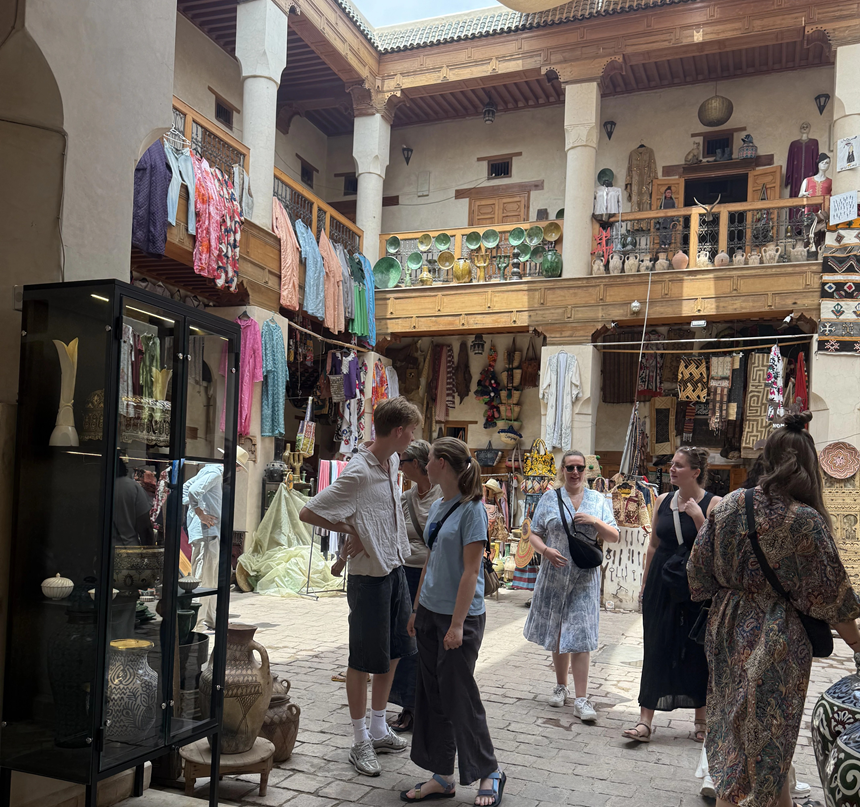
Lose yourself in the narrow streets of Marrakech’s UNESCO-listed Medina, where every alley reveals colorful shops, hidden riads, artisan workshops, and centuries of history.
Our Tip: Many artisan workshops are quieter in the morning, making it easier to speak with craftsmen and take photographs respectfully.
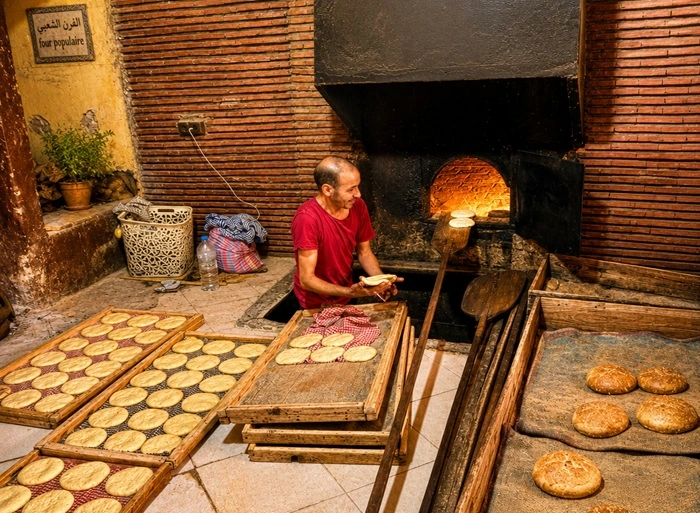
On our guided Medina tours, we often stop at a traditional public oven where local families still bake their bread each morning.
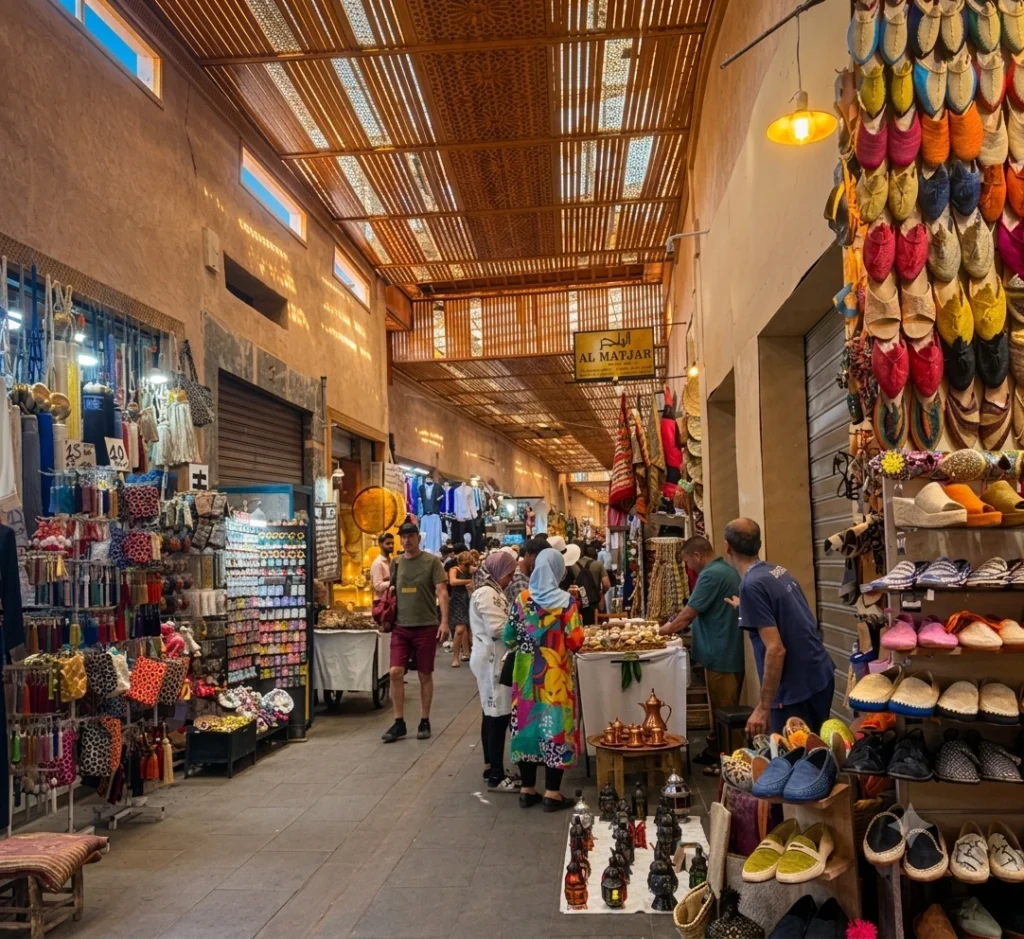
3. Shop in the Traditional Souks
Browse hundreds of stalls selling handmade carpets, leather bags, ceramics, lanterns, spices, jewelry, argan oil, and traditional Moroccan clothing. Bargaining is part of the experience. If you are new to traditional Moroccan markets, check this post on how to navigate Moroccan Souks.
4. Visit Bahia Palace
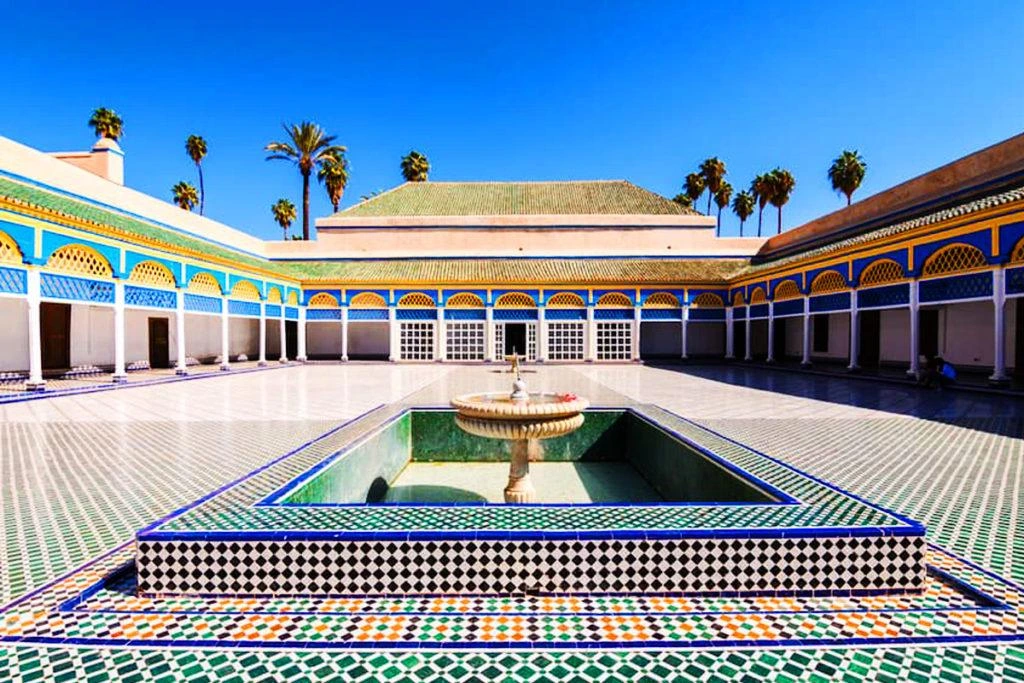
Admire one of Morocco’s finest 19th-century palaces, featuring beautiful courtyards, intricate zellige tilework, carved cedar ceilings, and peaceful gardens.
Best time to visit: As soon as it opens at 9AM or later afternoon before it closes at 5PM to avoid the crowds and take nice photos.
Cost: 100 MAD or 10 euro per ticket and you purchase the ticket at the site or online through E-service website.
5. Discover Ben Youssef Madrasa
Step inside one of North Africa’s most beautiful Islamic schools, famous for its stunning architecture, geometric mosaics, carved stucco, and tranquil courtyard.
6. Relax at Majorelle Garden
Created by French artist Jacques Majorelle and later restored by Yves Saint Laurent, this botanical garden is one of Marrakech’s most photographed attractions.
7. Visit the Yves Saint Laurent Museum
Fashion lovers will enjoy discovering the life and work of Yves Saint Laurent alongside exhibitions celebrating Moroccan art and design. The Musée Yves Saint Laurent Marrakech is open every day of the week, except Wednesdays, from 10 a.m. to 6:30 p.m. The last entry is at 6:00 p.m.
You are required to but the tickets online throught Jardins majorelle website. You can not get the ticket on the site.
Tip: On the hot season: October, Period of New year, Semana santa holidays and April, You’ll need to book your tickets online 2-3 days earlier to find an available ticket.
8. Visit Bacha Coffee
No visit to Marrakech is complete without experiencing the world-famous Bacha Coffee, located inside the elegant Dar el Bacha Palace in the heart of the Medina. Founded in Marrakech in 1910, Bacha Coffee has become an international icon, attracting coffee lovers from around the world.
Step inside its beautifully restored palace and discover an impressive selection of more than 200 varieties of 100% Arabica coffee sourced from some of the world’s finest coffee-growing regions. Whether you choose a rich espresso, a fragrant signature blend, or a traditional slow-brewed coffee served in elegant golden pots, the experience is as memorable as the setting itself.
The café’s luxurious Moorish décor, peaceful courtyard, and exceptional pastries make it one of the most popular places in Marrakech for breakfast, afternoon tea, or a relaxing break while exploring the Medina. Because of its popularity, queues can be long during peak hours, so arriving early in the morning or later in the afternoon is highly recommended.
Insider Tip: If the café is busy, don’t skip the boutique next door. It’s one of the best places in Marrakech to purchase premium coffee beans, elegant gift boxes, and beautifully designed accessories to take home.
Would you like to shop for coffee and you are not there in Marrakech, find their packed coffee listed on Coffe Bacha website.
9. Climb to a Rooftop Café
Amon the pleasant things to do is Marrakech is to enjoy panoramic views over the Medina while sipping fresh mint tea or freshly squeezed orange juice as the call to prayer echoes across the city.
10. Experience a Traditional Moroccan Hammam
Treat yourself to an authentic Moroccan spa experience with black soap, exfoliation, and argan oil massage. It’s one of the country’s oldest wellness traditions.
11. Visit the Koutoubia Mosque
Visit the Koutoubia Mosque
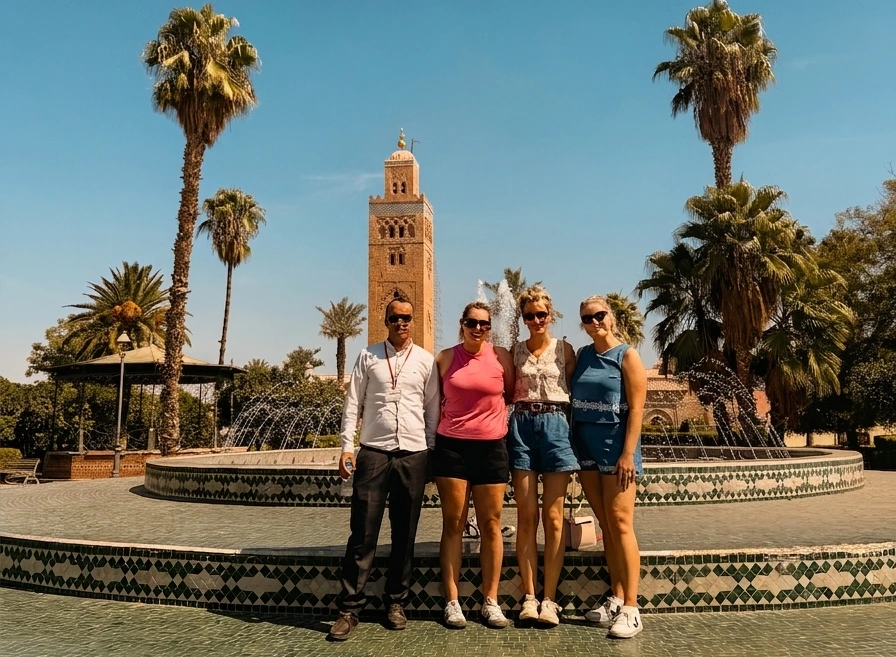
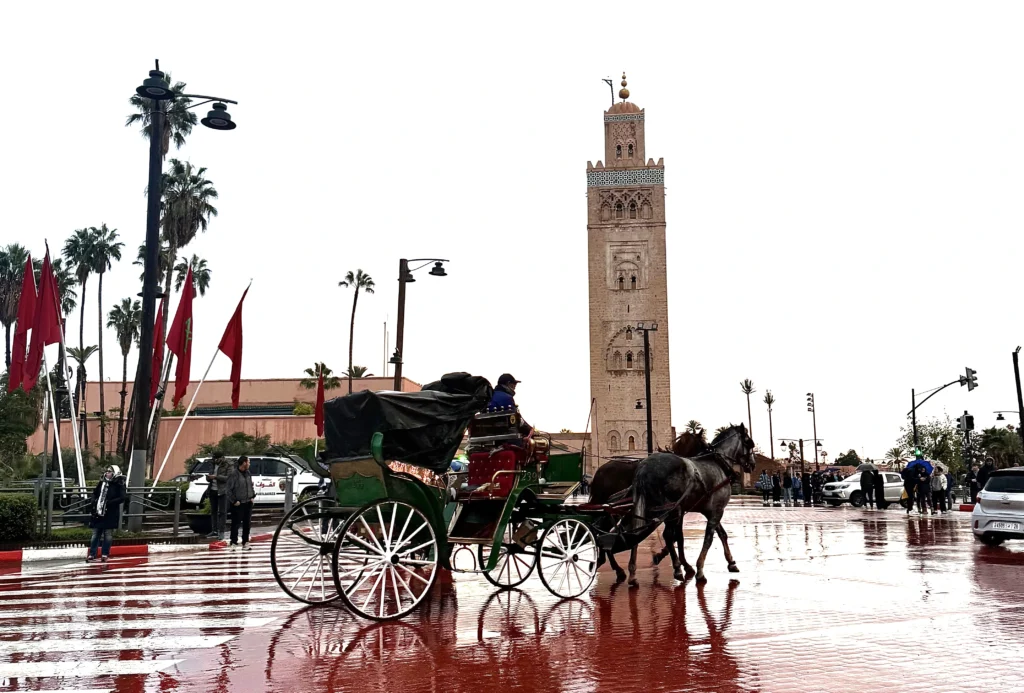
The Koutoubia Mosque is Marrakech’s most iconic landmark and a masterpiece of 12th-century Almohad architecture. While non-Muslims cannot enter the mosque, visitors are welcome to admire its impressive 77-meter (253-foot) minaret from the outside. Surrounded by beautiful gardens, shaded walkways, and palm trees, it’s a peaceful place to take a break from the bustling Medina.
💡 Local Tip: Walk to the gardens behind the Koutoubia Mosque, where you’ll find elegant fountains, palm trees, and one of the best spots to capture beautiful photos of the mosque—especially in the late afternoon when the golden light illuminates the minaret.
12. Explore Le Jardin Secret
This beautifully restored palace garden offers a peaceful escape from the busy Medina and showcases traditional Islamic garden design.
13. Discover the Saadian Tombs
Hidden for centuries behind palace walls, these beautifully decorated royal tombs date back to the 16th century and are among Marrakech’s most important historical sites.
14. Visit El Badi Palace
Explore the impressive ruins of what was once one of the most magnificent palaces in the Islamic world, with panoramic views from its ancient walls.
15. Taste Authentic Moroccan Cuisine
Try traditional dishes such as tagine, couscous, pastilla, harira soup, and Moroccan pastries at local restaurants and family-owned eateries.
16. Take a Moroccan Cooking Class
Learn how to prepare authentic Moroccan dishes using fresh local ingredients while discovering the country’s rich culinary traditions.
17. Ride in a Horse-Drawn Carriage
A traditional caleche ride offers a relaxing way to explore Marrakech’s historic walls, gardens, and elegant neighborhoods.
18. Watch the Sunset from a Rooftop Terrace
As the sun sets behind the Atlas Mountains, Marrakech transforms into a magical city bathed in warm golden light.
19. Visit the Mellah (Jewish Quarter)
Discover an important part of Marrakech’s multicultural history by exploring its historic synagogues, markets, and narrow streets.
20. Explore Gueliz
Leave the old Medina behind and discover Marrakech’s modern district, filled with stylish cafés, contemporary art galleries, boutiques, and excellent restaurants.
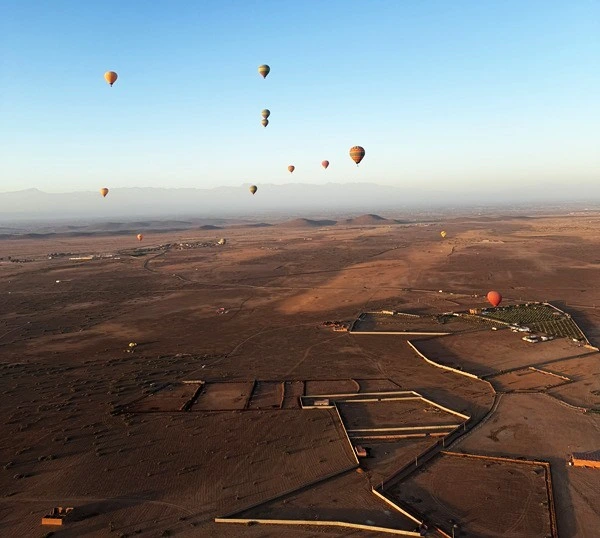
21. Enjoy a Hot Air Balloon Ride
Float above palm groves, Berber villages, and the desert plains surrounding Marrakech for one of the most unforgettable sunrise experiences in Morocco.
💡 Local Tip: When booking your hot air balloon ride, ask for the first flight of the morning. Watching the sunrise from above as the first rays of light illuminate the Atlas Mountains, palm groves, and Berber villages is a magical experience—and one of the best times for photography.
Morocco hot air balloon
22. Take a Day Trip to the Atlas Mountains
Escape the city and discover breathtaking mountain scenery, traditional Berber villages, waterfalls, and scenic hiking trails just a short drive from Marrakech.
23. Visit the Agafay Desert
If you have limited time, the rocky Agafay Desert offers camel rides, quad biking, luxury camps, and unforgettable sunset dinners just outside Marrakech.
24. Explore Essaouira
Spend a day in the charming Atlantic coastal town of Essaouira, known for its historic medina, fishing port, beaches, and relaxed atmosphere.
💡 Local Tip: We often recommend ending a Morocco tour in Essaouira. After the excitement of Marrakech, the Imperial Cities, and the Sahara Desert, this charming seaside town offers a slower pace, refreshing ocean air, excellent seafood, and a peaceful atmosphere—making it the perfect place to relax before your journey home.
25. Experience the Sahara Desert
No trip to Morocco is complete without visiting the Sahara Desert. Multi-day tours from Marrakech take you across the High Atlas Mountains, through ancient kasbahs and dramatic valleys, before reaching the golden dunes of Merzouga for camel trekking, luxury desert camps, and spectacular stargazing.
26. Watch the Stars in the Moroccan Desert
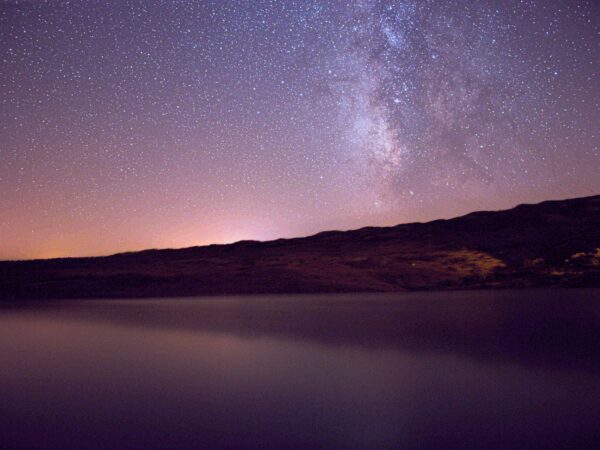
The Sahara Desert is one of the best places in Morocco to experience a breathtaking night sky. Far from city lights, you’ll have the chance to admire countless stars, spot constellations, and, depending on the season, even see the Milky Way stretching across the horizon. Learn more in our complete guide to Stargazing in the Moroccan Desert, where we share the best times to visit, moon phases, and tips for enjoying an unforgettable night under the stars.
Marrakech Travel Guide: Top 10 Must-Do Experiences
If you’re visiting Marrakech for the first time, don’t miss these unforgettable highlights:
Together, these experiences showcase the very best of Marrakech, blending history, culture, gastronomy, architecture, nature, and adventure into an unforgettable Moroccan journey.
How to Get Around Marrakech
Getting around Marrakech is relatively easy, whether you’re exploring the historic Medina on foot or venturing to attractions outside the city. The compact Old City is best experienced by walking, while taxis and private transportation make it simple to reach the newer neighborhoods and surrounding areas.
Walking: The Best Way to Explore the Medina
The Medina is the heart of Marrakech and one of the world’s largest historic old towns. Its maze of narrow streets and colorful souks is pedestrian-friendly, and many of the city’s most famous attractions—including Jemaa el-Fna Square, Bahia Palace, Ben Youssef Madrasa, Le Jardin Secret, and Bacha Coffee—are within walking distance of each other.
It’s easy to get pleasantly lost while exploring, but using Google Maps or downloading an offline map can help you find your way. Comfortable walking shoes are highly recommended, as you’ll spend several hours on foot.
Best for: The Medina, souks, palaces, museums, and local cafés.
Petit Taxis
Marrakech’s beige-colored petit taxis are the most convenient way to travel outside the Medina. They are ideal for reaching places such as Majorelle Garden, Gueliz, Hivernage, Menara Gardens, and Marrakech Menara Airport.
Always ask the driver to use the meter (“compteur”), or agree on the fare before starting your journey if the meter isn’t being used. Most rides within the city center are affordable and take between 10 and 20 minutes, depending on traffic.
Best for: Short trips around the city.
Private Driver
Hiring a private driver is the most comfortable and flexible option, especially for families, couples, and travelers planning day trips or multi-day tours. A private vehicle allows you to explore at your own pace while benefiting from local knowledge and the freedom to stop whenever you wish for photos or sightseeing.
This is the preferred option for excursions to the Atlas Mountains, Agafay Desert, Essaouira, Ouzoud Waterfalls, and the Sahara Desert.
Best for: Day trips, families, seniors, and customized Morocco tours.
Horse-Drawn Carriages (Caleches)
A traditional horse-drawn carriage ride is one of the most charming ways to discover Marrakech. The routes typically pass along the historic city walls, Koutoubia Mosque, and beautiful gardens, offering a relaxing sightseeing experience, particularly in the late afternoon or evening.
Best for: Couples, families, and first-time visitors.
Public Buses
Marrakech has an affordable public bus network that connects many neighborhoods across the city. While buses are inexpensive, they can be crowded and may be less convenient for visitors unfamiliar with the routes or language.
Best for: Budget-conscious travelers.
Ride-Hailing Apps
Ride-hailing services are more limited in Marrakech than in many major international cities, and availability can vary. Many visitors still find traditional taxis or pre-arranged private transfers to be the easiest and most reliable options.
Renting a Car
If you plan to stay only in Marrakech, renting a car is generally unnecessary. Parking inside the Medina is very limited, and many streets are too narrow for vehicles.
However, renting a car can be a good option if you’re planning a self-drive journey through Morocco, visiting destinations such as the Atlas Mountains, the Sahara Desert, Fes, Chefchaouen, or the Atlantic coast. Be prepared for busy city traffic and always choose secure parking facilities.
Best for: Exploring Morocco beyond Marrakech.
Cycling and Electric Scooters
Some visitors enjoy exploring quieter parts of Marrakech by bicycle or electric scooter. Guided bike tours are also available and provide a unique way to discover neighborhoods outside the main tourist areas.
Getting to and from Marrakech Airport
Marrakech Menara Airport (RAK) is located approximately 6 km (4 miles) from Jemaa el-Fna Square. The journey usually takes 15 to 20 minutes by taxi or private transfer, depending on traffic.
Many hotels and riads can arrange airport transfers, which are particularly convenient for first-time visitors arriving late at night or with heavy luggage.
Our Recommendation
For most visitors, the best combination is simple:
Walk to explore the Medina and its historic attractions.
Use petit taxis for destinations outside the Old City.
Book a private driver or guided tour for day trips and longer journeys around Morocco.
This combination offers the perfect balance of convenience, comfort, and authentic local experiences, allowing you to make the most of your time in Marrakech.
Food You Must Try in Marrakech
One of the highlights of visiting Marrakech is discovering Morocco’s rich and flavorful cuisine. Influenced by Berber, Arab, Andalusian, Mediterranean, and African traditions, Moroccan food is known for its aromatic spices, slow-cooked dishes, and fresh local ingredients. Whether you’re dining in a traditional riad, enjoying street food in Jemaa el-Fna, or taking a cooking class, every meal is an opportunity to experience Morocco’s unique culinary heritage.
In Our Marrakech Travel Guide, the following are some of the must-try dishes and drinks during your visit to Marrakech.
1. Tagine
No trip to Morocco is complete without tasting a traditional tagine. Named after the clay pot in which it is cooked, this slow-cooked dish combines tender meat or vegetables with fragrant spices, olives, preserved lemons, dried fruits, and herbs.
Popular varieties include:
Chicken with preserved lemon and olives
Lamb with prunes and almonds
Beef with vegetables
Vegetarian tagine
Every restaurant has its own recipe, making each tagine a unique experience.
2. Couscous
Often considered Morocco’s national dish, couscous is traditionally served on Fridays after midday prayers. It consists of steamed semolina grains topped with slow-cooked vegetables, chickpeas, and your choice of chicken, lamb, or beef.
Many restaurants also serve couscous throughout the week for visitors.
3. Pastilla (Bastilla)
One of Morocco’s most famous specialties, pastilla is a delicious sweet-and-savory pie made with delicate pastry layers filled with shredded chicken (or pigeon in traditional recipes), almonds, cinnamon, and spices, then dusted with powdered sugar.
It perfectly represents Morocco’s unique combination of sweet and savory flavors.
4. Harira
Harira is a traditional Moroccan soup made with tomatoes, lentils, chickpeas, herbs, and spices. It is especially popular during Ramadan but is enjoyed throughout the year as a comforting starter.
Fresh bread often accompanies every bowl.
5. Moroccan Brochettes
Grilled meat skewers, known as brochettes, are a favorite among locals. You’ll find chicken, beef, lamb, and turkey served with fresh bread, salads, and spicy sauces at restaurants and food stalls across Marrakech.
6. Mechoui
Mechoui is slow-roasted lamb cooked until incredibly tender. Traditionally prepared over wood fires, it is seasoned simply with cumin and salt to highlight the rich flavor of the meat.
It’s one of the best dishes to try if you’re looking for an authentic Moroccan feast.
7. Moroccan Salads
Moroccan meals often begin with a selection of colorful cooked and fresh salads, including:
Zaalouk (smoky eggplant salad)
Taktouka (roasted peppers and tomatoes)
Carrot salad with cumin
Beetroot salad
Cucumber and tomato salad
These small dishes are perfect for sharing.
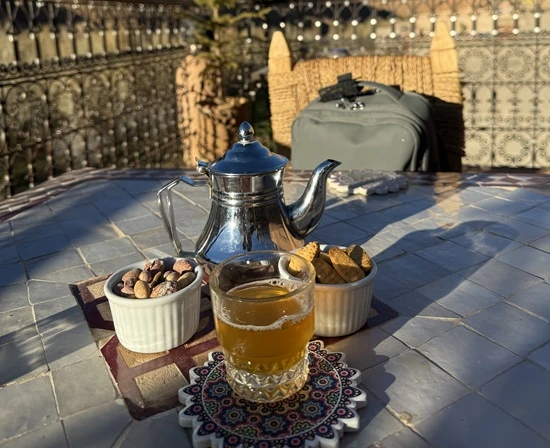
8. Moroccan Mint Tea
Known as the “Moroccan Whisky,” mint tea is more than a drink—it’s a symbol of hospitality. Made with green tea, fresh mint, and sugar, it is served throughout the day in homes, cafés, and restaurants.
Watching the traditional high pour is part of the experience.
9. Fresh Orange Juice
Marrakech is famous for its freshly squeezed orange juice. Numerous stalls in Jemaa el-Fna serve delicious juice made from locally grown oranges, offering the perfect refreshment on a warm day.
10. Moroccan Pastries
Don’t leave without sampling Morocco’s delicious sweets, including:
Gazelle horns (Kaab el Ghazal)
Chebakia
Almond briouats
Ghriba cookies
Sellou
These treats pair perfectly with mint tea or coffee.
11. Bacha Coffee
Coffee lovers should visit the legendary Bacha Coffee, located inside the historic Dar el Bacha Palace. Established in Marrakech in 1910, it offers an exceptional selection of premium 100% Arabica coffees from around the world, served in an elegant palace setting. Pair your coffee with one of their freshly baked pastries for a memorable culinary experience.
12. Street Food at Jemaa el-Fna
As the sun sets, Jemaa el-Fna transforms into one of the world’s most exciting open-air food markets. Here you can sample a variety of authentic Moroccan street foods, including grilled meats, merguez sausages, snail soup, fried fish, olives, local breads, and traditional desserts.
Choose busy stalls with high customer turnover for the freshest experience.
Vegetarian and Vegan Options
Moroccan cuisine offers plenty of vegetarian-friendly dishes, including vegetable tagines, couscous with seasonal vegetables, lentil soups, fresh salads, and grilled vegetables. Vegan travelers will also find many restaurants in Marrakech catering to plant-based diets, especially in Gueliz and around the Medina.
Is the Food in Marrakech Halal?
Yes. Morocco is a Muslim-majority country, and the vast majority of restaurants in Marrakech serve halal food. Traditional Moroccan dishes are prepared according to halal practices, making Marrakech an excellent destination for Muslim travelers. International restaurants are also widely available for those seeking different cuisines.
Our Favorite Food Experiences
To truly discover Marrakech through its cuisine, we recommend:
Enjoying a traditional tagine in a beautiful riad.
Joining a Moroccan cooking class.
Visiting Bacha Coffee for an unforgettable coffee experience.
Sampling street food in Jemaa el-Fna.
Drinking fresh mint tea on a rooftop terrace at sunset.
Trying Friday couscous at a local restaurant.
Food is at the heart of Moroccan culture, and every meal tells a story of history, hospitality, and tradition. Exploring Marrakech through its flavors is one of the most rewarding experiences you’ll have during your visit, leaving you with memories that last long after your journey ends.
💡 Local Tip: Moroccan cuisine is famous for its fragrant blend of spices, but it’s generally mild rather than hot. If you have a sensitive palate or specific preferences, don’t hesitate to ask your restaurant to adjust the seasoning or prepare your meal with fewer spices. If you’re visiting from countries where food is typically much spicier—such as parts of Asia—you may also want to bring your favorite chili sauce or seasoning to add an extra kick to your meals.
Markets and Shopping in Marrakech
Shopping is one of the most memorable experiences in Marrakech. From centuries-old souks filled with handmade treasures to elegant boutiques and modern shopping districts, the city offers something for every taste and budget. Whether you’re looking for authentic Moroccan crafts, luxury products, spices, or unique souvenirs, Marrakech is one of the best shopping destinations in North Africa.
Explore the Famous Souks of Marrakech
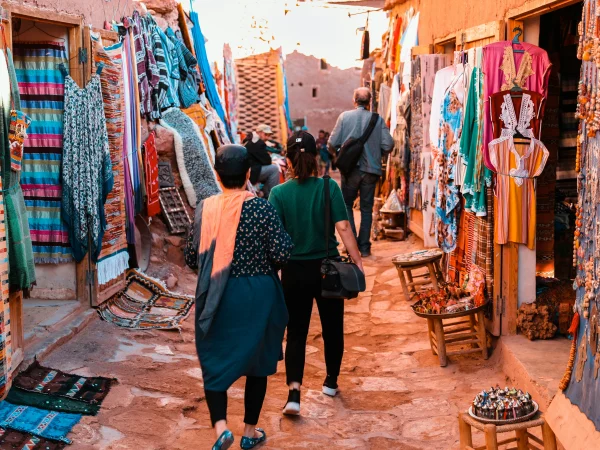
Located in the heart of the UNESCO-listed Medina, the souks are a fascinating maze of narrow streets lined with hundreds of small shops and artisan workshops. Each section specializes in different crafts, many of which have been produced using traditional techniques for generations.
As you wander through the souks, you’ll discover:
Handwoven Berber rugs and carpets
Handmade leather bags and slippers (babouches)
Colorful Moroccan lanterns
Traditional ceramics and pottery
Brass and copper home décor
Argan oil and natural beauty products
Handcrafted jewelry
Wooden carvings and furniture
Spices, herbs, and herbal teas
Traditional Moroccan clothing, including kaftans and djellabas
Every corner offers something unique, making it easy to spend several hours exploring.
Souk Semmarine
One of the largest and busiest markets in Marrakech, Souk Semmarine is the perfect place to begin your shopping adventure. Here you’ll find a wide selection of textiles, leather goods, lanterns, ceramics, and souvenirs, all surrounded by the lively atmosphere that makes Marrakech so famous.
Souk Haddadine
Known as the blacksmiths’ market, Souk Haddadine is where local artisans continue to craft beautiful lanterns, decorative metalwork, and traditional iron products by hand.
Watching craftsmen at work is an experience in itself.
Souk Cherratine
If you’re looking for high-quality leather products, Souk Cherratine is one of the best places to browse handmade handbags, wallets, belts, poufs, and traditional Moroccan slippers.
Spice Market (Rahba Kedima)
One of the most colorful squares in the Medina, Rahba Kedima is famous for its spices, herbal remedies, baskets, natural cosmetics, and traditional Moroccan products. It’s an excellent place to purchase saffron, cumin, ras el hanout, dried herbs, and locally produced argan oil.
Artisan Workshops
Many visitors enjoy watching local artisans create carpets, pottery, wood carvings, leather goods, and metalwork using techniques passed down through generations. Purchasing directly from workshops supports local craftspeople and ensures you take home an authentic piece of Morocco.
Visit Bacha Coffee Boutique
Even if you don’t stop for coffee, the elegant Bacha Coffee Boutique inside Dar el Bacha Palace is worth visiting. It offers beautifully packaged premium coffees, elegant coffee accessories, and luxury gift boxes that make excellent souvenirs or gifts.
Modern Shopping in Gueliz
If you prefer contemporary shopping, head to Gueliz, Marrakech’s modern district. Here you’ll find fashionable boutiques, designer stores, art galleries, bookstores, concept shops, cafés, and international brands alongside Moroccan designers creating modern interpretations of traditional craftsmanship.
Shopping Malls
Marrakech also offers several modern shopping centers where visitors can enjoy air-conditioned comfort, international brands, restaurants, and entertainment.
Popular options include:
Menara Mall
Carré Eden Shopping Center
Al Mazar Mall
These malls are ideal if you’re looking for clothing, electronics, cosmetics, or a break from the busy Medina.
What Should You Buy in Marrakech?
Some of the most popular souvenirs include:
Berber rugs
Handmade lanterns
Leather bags and wallets
Babouche slippers
Moroccan ceramics
Argan oil
Spices and saffron
Moroccan tea sets
Handwoven baskets
Traditional kaftans
Handmade jewelry
Premium coffee from Bacha Coffee
These items make meaningful gifts and lasting reminders of your Moroccan adventure.
Bargaining Tips
Bargaining is a normal part of shopping in Marrakech’s traditional markets and is expected by both buyers and sellers.
Here are a few simple tips:
Always negotiate politely and with a smile.
Don’t accept the first price immediately.
Compare prices at several shops before making a purchase.
If the price isn’t right, thank the seller and continue walking—many vendors will call you back with a better offer.
Remember that fair bargaining should leave both buyer and seller satisfied.
Can You Pay by Credit Card?
Many hotels, restaurants, luxury boutiques, and shopping malls accept major credit cards. However, smaller shops in the Medina often prefer cash, so it’s a good idea to carry some Moroccan Dirhams when shopping in the souks.
Our Shopping Tips
For the best experience:
Visit the souks early in the morning or late in the afternoon when temperatures are cooler.
Take your time exploring—you’ll often find hidden gems away from the busiest streets.
Buy authentic handmade products rather than mass-produced souvenirs.
Ask permission before photographing artisans at work.
Support local family-run businesses whenever possible.
Shopping in Marrakech is much more than buying souvenirs—it’s an opportunity to discover centuries-old craftsmanship, meet talented local artisans, and experience one of Morocco’s richest cultural traditions. Whether you leave with a handmade carpet, a beautifully crafted lantern, or simply unforgettable memories, the markets of Marrakech are sure to become one of the highlights of your journey.
Hammams Explained: Everything You Need to Know About a Traditional Moroccan Hammam
A visit to a traditional Moroccan hammam is one of the most authentic cultural experiences you can enjoy in Marrakech. More than just a spa treatment, the hammam has been an important part of Moroccan life for centuries. It’s a place to relax, cleanse the body, socialize, and experience a tradition that has been passed down through generations.
Whether you choose a luxurious spa or a neighborhood public hammam, you’ll leave feeling refreshed, rejuvenated, and with a deeper appreciation for Moroccan culture.
What Is a Moroccan Hammam?
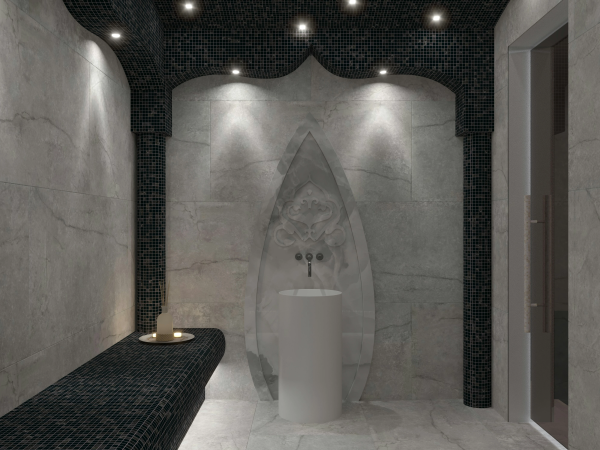
A Moroccan hammam is a traditional steam bath where the body is cleansed through heat, exfoliation, and massage. Unlike Turkish or Roman baths, Moroccan hammams focus on deep cleansing using natural products such as black soap (Savon Noir), Rhassoul clay, and pure argan oil.
The experience begins in a warm steam room that opens your pores and relaxes your muscles. After softening the skin, an attendant applies black soap made from crushed olives before exfoliating your body with a rough kessa glove, removing dead skin and leaving your skin incredibly soft. Many treatments finish with a relaxing massage using fragrant argan oil or essential oils.
Public vs. Luxury Hammams
Marrakech offers two very different hammam experiences.
Public Hammams
Public hammams are where local Moroccans have traditionally gathered for weekly bathing rituals. They provide an authentic cultural experience and are very affordable, but facilities are simple, and visitors often need to bring their own toiletries, towels, and bathing supplies.
Best for: Travelers seeking an authentic local experience.
Luxury Hammams
Luxury hammams combine traditional Moroccan rituals with modern spa comfort. Set in elegant riads or five-star hotels, they offer private treatment rooms, professional therapists, premium natural products, and a peaceful atmosphere.
Many luxury hammams include additional treatments such as facials, body wraps, aromatherapy, and relaxing massages.
Best for: Couples, first-time visitors, honeymooners, and anyone looking for a premium wellness experience.
What Happens During a Hammam?
A typical hammam session includes:
Relaxing in a warm steam room.
Applying traditional black soap to soften the skin.
Full-body exfoliation with a kessa glove.
Rinsing with warm water.
Optional Rhassoul clay treatment.
Relaxing massage using argan oil or essential oils.
Mint tea served in a quiet relaxation area (at many luxury spas).
The entire experience usually lasts between 60 and 120 minutes, depending on the treatment you choose.
What Should You Wear?
For public hammams, swimwear is generally recommended for visitors, although local customs may vary. Luxury hammams usually provide disposable underwear, towels, slippers, robes, and all necessary toiletries.
Always follow the guidance provided by your spa.
How Much Does a Hammam Cost?
Prices vary depending on the experience:
Public hammam: Approximately 20–50 MAD (€2–5) plus any optional treatments.
Luxury hammam: Typically 500–1,500 MAD (€50–150) depending on the spa and package selected.
Many luxury hotels also offer exclusive spa experiences that combine hammam treatments with massages and wellness therapies.
Is a Moroccan Hammam Worth It?
Absolutely. For many visitors, a traditional hammam becomes one of the highlights of their trip to Marrakech. It offers a perfect opportunity to relax after walking through the Medina, hiking in the Atlas Mountains, or returning from a Sahara Desert adventure.
Beyond the physical benefits, a hammam provides a fascinating insight into Moroccan daily life and wellness traditions.
Tips for First-Time Visitors
Book in advance if visiting a popular luxury spa.
Drink plenty of water before and after your treatment.
Avoid eating a heavy meal immediately beforehand.
Let your therapist know if you have sensitive skin.
Arrive early to fully enjoy the facilities.
Bring swimwear if visiting a public hammam
Our Recommendation
If this is your first visit to Marrakech, we recommend experiencing a luxury Moroccan hammam. It combines authentic Moroccan traditions with exceptional comfort, making it one of the most relaxing experiences of your trip.
For travelers seeking a deeper cultural experience, a public neighborhood hammam offers a fascinating glimpse into everyday Moroccan life.
One of the biggest advantages of staying in Marrakech is its location. Within just a few hours, you can leave the bustling Medina behind and discover snow-capped mountains, traditional Berber villages, waterfalls, deserts, coastal towns, and UNESCO World Heritage Sites. Whether you’re seeking adventure, culture, nature, or relaxation, there are plenty of unforgettable day trips to choose from.
Here are the best day trips from Marrakech.
1. Atlas Mountains and Imlil Valley
Distance: Approximately 70 km (43 miles) – 1.5 hours
The High Atlas Mountains are one of Morocco’s most spectacular natural attractions and the perfect escape from the city’s busy streets. The charming village of Imlil serves as the gateway to Mount Toubkal, the highest peak in North Africa.
Visitors can enjoy scenic mountain drives, guided walks through Berber villages, panoramic viewpoints, waterfalls, and traditional Moroccan lunches with local families.
Highlights:
Traditional Berber villages
Beautiful mountain scenery
Local markets (on selected days)
Hiking opportunities
Authentic cultural experiences
Best for: Nature lovers, photographers, and active travelers.
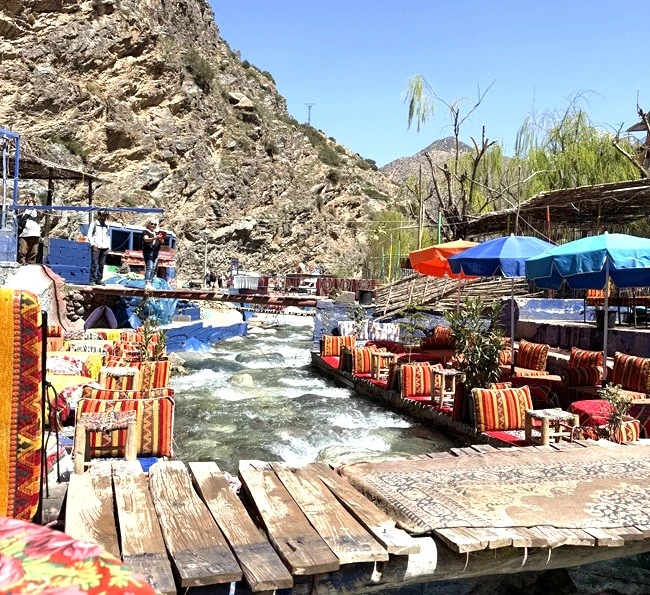
2. Ourika Valley
Distance: Approximately 40 km (25 miles) – 1 hour
Located in the foothills of the Atlas Mountains, the Ourika Valley is famous for its lush landscapes, rivers, gardens, and small villages. During spring, the valley is especially beautiful with blooming flowers and green terraces.
Many visitors hike to the Setti Fatma waterfalls before enjoying lunch beside the river.
Highlights:
Riverside cafés
Setti Fatma waterfalls
Scenic mountain villages
Traditional markets
Best for: Families and first-time visitors.
3. Agafay Desert
Distance: Approximately 35 km (22 miles) – 45 minutes
If you don’t have time to visit the Sahara Desert, the Agafay Desert offers an excellent alternative just outside Marrakech. Although it’s a rocky desert rather than sand dunes, it’s a fantastic place to experience camel rides, quad biking, luxury camps, and unforgettable sunset dinners.
Many visitors combine a camel ride with a traditional Moroccan dinner under the stars.
Highlights:
Camel rides
Quad biking
Luxury desert camps
Sunset dinners
Stargazing
Best for: Short stays and romantic experiences.
4. Essaouira
Distance: Approximately 190 km (118 miles) – 2.5 to 3 hours
The charming coastal town of Essaouira offers a refreshing contrast to Marrakech. Its UNESCO-listed Medina, sandy beaches, fishing port, blue-and-white streets, and relaxed atmosphere make it one of Morocco’s most popular day trips.
Fresh seafood restaurants and artisan workshops add to its appeal.
Highlights:
Atlantic Ocean beaches
Historic Medina
Fresh seafood
Art galleries
Traditional fishing port
Best for: Couples, photographers, and food lovers.
5. Ouzoud Waterfalls
Distance: Approximately 160 km (100 miles) – 2.5 to 3 hours
The Ouzoud Waterfalls are among the highest and most beautiful waterfalls in North Africa. Surrounded by olive groves and dramatic cliffs, they offer spectacular scenery and the chance to spot wild Barbary macaques.
Visitors can hike to the base of the falls or enjoy a traditional boat ride.
Highlights:
110-meter waterfalls
Barbary macaques
Scenic hiking trails
Boat rides
Local restaurants
Best for: Nature lovers and families.
6. Ait Ben Haddou and Ouarzazate
Distance: Approximately 190 km (118 miles) – 3.5 hours
Cross the breathtaking High Atlas Mountains via the famous Tizi n’Tichka Pass to visit the UNESCO World Heritage Site of Ait Ben Haddou. This ancient fortified village has appeared in numerous films and television series, including Gladiator, Game of Thrones, and The Mummy.
Many tours also include nearby Ouarzazate, often called the “Hollywood of Morocco.”
Highlights:
UNESCO World Heritage Site
Ancient kasbah
Atlas Mountains
Film studios
Spectacular mountain roads
Best for: History lovers and photographers.
7. Asni and the Weekly Berber Market
Distance: Approximately 50 km (31 miles)
If you’re visiting on Saturday, don’t miss the traditional weekly market in Asni. Local Berber families gather here to buy livestock, fresh produce, spices, clothing, and household goods, offering visitors an authentic glimpse into rural Moroccan life.
Highlights:
Traditional Berber market
Local culture
Fresh produce
Handmade crafts
Best for: Cultural experiences.
8. Balloon Flight Over Marrakech
Although it begins just outside the city rather than being a traditional day trip, a sunrise hot air balloon flight offers one of the most unforgettable experiences near Marrakech.
You’ll float above palm groves, Berber villages, and desert landscapes before enjoying a traditional Moroccan breakfast.
Best for: Couples, honeymooners, and photographers.
Can You Visit the Sahara Desert in One Day?
The short answer is no.
While the Sahara Desert is one of Morocco’s greatest attractions, it is too far from Marrakech to visit as a day trip. The drive to Merzouga, home to the country’s famous golden sand dunes, takes approximately 9 to 10 hours.
To fully experience the Sahara—including camel trekking, sunset over the dunes, luxury desert camps, Berber music, and spectacular stargazing—we recommend a 3-day or longer private desert tour.
Many travelers consider this the highlight of their entire visit to Morocco.
Which Day Trip Is Best?
Your ideal excursion depends on your interests:
Experience
Best Day Trip
Nature
Atlas Mountains or Ouzoud Waterfalls
Culture
Ait Ben Haddou or Asni Market
Beaches
Essaouira
Desert Experience
Agafay Desert
Adventure
Hot Air Balloon or Atlas Mountains
Families
Ourika Valley
Photography
Ait Ben Haddou, Atlas Mountains, Essaouira
Our Recommendation
These are the best Morocco excursions from Marrakech, and if you have one extra day, choose the Atlas Mountains for breathtaking scenery and authentic Berber culture.
If you have two extra days, combine the Atlas Mountains with Essaouira to experience both Morocco’s mountain landscapes and Atlantic coastline.
If you’re staying five days or more, don’t miss the opportunity to extend your journey with a Sahara Desert tour, where you’ll discover ancient kasbahs, dramatic valleys, camel trekking, luxury desert camps, and some of the clearest night skies in the world.
Exploring beyond Marrakech allows you to experience the incredible diversity of Morocco, making your trip even more memorable.
Desert Tours from Marrakech
A journey into the Moroccan Sahara is one of the most unforgettable experiences you can have during your visit to Marrakech. While the city is famous for its vibrant souks, historic palaces, and beautiful gardens, many travelers consider a Sahara Desert tour to be the highlight of their trip to Morocco.
From Marrakech, you’ll travel across the breathtaking High Atlas Mountains, pass through ancient kasbahs and lush palm valleys, explore dramatic gorges, and eventually arrive at the golden dunes of the Sahara Desert. Along the way, you’ll discover landscapes and cultures that are completely different from the bustling streets of Marrakech.
Can You Visit the Sahara Desert in One Day?
No. Although many people search for a “Marrakech Desert Day Trip,” the true Sahara Desert is simply too far away for a one-day excursion.
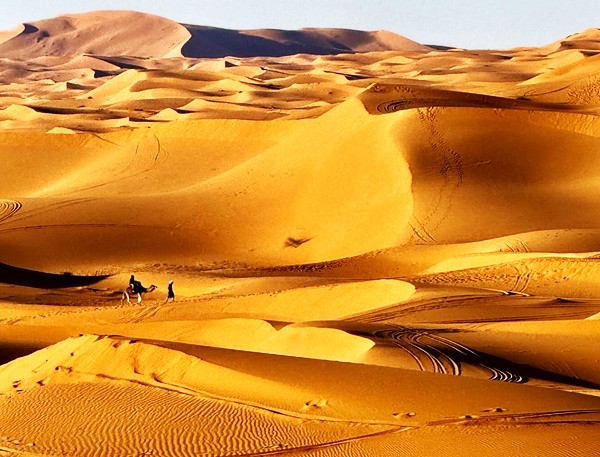
The famous Erg Chebbi dunes near Merzouga are located approximately 560 km (350 miles) from Marrakech, requiring around 9 to 10 hours of driving. To fully enjoy the experience without rushing, we recommend spending at least three days traveling through southern Morocco.
If you’re short on time, the Agafay Desert, located just 45 minutes from Marrakech, offers camel rides, luxury camps, quad biking, and sunset dinners. While it provides a beautiful desert atmosphere, it is a rocky desert and should not be confused with the sand dunes of the Sahara.
What Can You Expect on a Sahara Desert Tour?
A typical desert tour from Marrakech includes much more than simply visiting the dunes. Along the journey, you’ll experience some of Morocco’s most spectacular landscapes and cultural landmarks.
Highlights often include:
Crossing the scenic High Atlas Mountains via the Tizi n’Tichka Pass.
Visiting the UNESCO World Heritage Site of Ait Ben Haddou.
Exploring Ouarzazate, often called the “Hollywood of Morocco.”
Driving through the Valley of Roses and the Dades Valley.
Walking through the towering cliffs of Todra Gorge.
Riding a camel across the golden dunes of Erg Chebbi.
Watching a magical Sahara sunset.
Spending the night in a traditional or luxury desert camp.
Enjoying Berber music around the campfire.
Watching millions of stars in one of Morocco’s darkest skies.
Experiencing an unforgettable desert sunrise.
For many travelers, sleeping beneath the stars in the Sahara is the moment they remember most from their trip to Morocco.
Which Desert Tour Is Right for You?
2-Day Desert Tour
A two-day itinerary reaches the Zagora Desert, which is closer to Marrakech. It’s a good option if you’re short on time, but the scenery and dunes are more modest than those found in Merzouga.
Best for: Travelers with limited time.
3-Day Marrakech to Merzouga Desert Tour
This is the most popular option and offers the perfect balance between driving and sightseeing. You’ll visit iconic landmarks, spend a full evening in the Sahara, and return to Marrakech or continue to another destination.
Rather than returning to Marrakech, this itinerary continues north to the Imperial City of Fes after your night in the Sahara. It’s an excellent choice for travelers exploring different regions of Morocco without retracing their steps.
Best for: Travelers planning a one-way journey across Morocco.
4-Day Desert Tour
Adding an extra day allows for a more relaxed pace, additional sightseeing, and more time to appreciate Morocco’s incredible landscapes.
Best for: Families, photographers, and travelers who prefer slower travel.
If your dream is to experience the Sahara Desert from Marrakech, plan at least several days rather than trying to visit Merzouga as a day trip.
5-Day or Longer Morocco Tours
Longer itineraries combine the Sahara with destinations such as Chefchaouen, Fes, Casablanca, Rabat, or Essaouira, creating a complete Moroccan adventure.
Best for: Travelers wanting to experience the country’s diverse regions.
Sample 5-Day Marrakech Itinerary
Day 1: Marrakech – Tizi N Tichka -Ait Ben Haddou – Ouarzazate
Day 2: Ouarzazate – Draa Valley – Alnif – Rissani – Merzouga
Day 3: Around Erg Chebbi & Sahara Camping Experience
Day 4: Merzouga Desert – Todra Gorges – Dades Valley
Day 5: Dades Valley – Kalaa Mgouna – Atlas Mountains – Marrakech
Should You Choose a Shared or Private Tour?
Both options have advantages.
Shared Tours
More affordable.
Great for solo travelers.
Fixed itinerary and schedule.
Travel with a small group.
Private Tours
Flexible itinerary.
Travel at your own pace.
Choose your accommodation.
Stop whenever you wish for photos or sightseeing.
Ideal for couples, families, seniors, and small groups.
If comfort and flexibility are important, a private tour is usually the better choice.
Planning to visit the Sahara?
We offer private desert tours departing from Marrakech with local drivers and flexible itineraries.
What Should You Pack?
The Sahara Desert experiences warm days and cool nights, so it’s important to pack accordingly.
We recommend bringing:
Comfortable walking shoes.
Lightweight clothing.
A warm jacket for the evening.
Sunglasses and sunscreen.
A hat.
A reusable water bottle.
Camera or smartphone.
Small backpack for overnight essentials.
Your main luggage is usually transported separately by vehicle while you enjoy your camel ride to the camp.
Is the Sahara Worth Visiting?
Without question, yes.
The Sahara Desert offers an experience unlike anywhere else in Morocco. Watching the sun set over endless golden dunes, sharing traditional Berber music around a campfire, sleeping beneath a sky filled with stars, and waking to a peaceful desert sunrise are memories that stay with travelers long after they return home.
While Marrakech showcases Morocco’s rich history and vibrant culture, the Sahara reveals its breathtaking natural beauty and timeless traditions.
Our Recommendation
If this is your first visit to Morocco, we highly recommend choosing a 3-Day Marrakech to Merzouga Desert Tour or a3-Day Marrakech to Fes Desert Tour. These itineraries include Morocco’s most iconic landscapes, UNESCO World Heritage Sites, traditional Berber villages, and the unforgettable experience of spending a night in the Sahara Desert.
If your schedule allows, consider extending your journey to 4 or 5 days. The extra time creates a more relaxed itinerary and gives you the opportunity to discover even more of Morocco’s remarkable scenery and cultural heritage.
A desert tour is much more than a journey across the sand—it’s an adventure through the heart of Morocco, where every day brings new landscapes, fascinating history, warm hospitality, and unforgettable experiences.
Staying in Marrakech
Choosing the right neighborhood can make a big difference to your experience in Marrakech. Whether you dream of staying in a traditional riad hidden within the ancient Medina, a stylish boutique hotel in the modern city, or a luxurious resort surrounded by palm trees, Marrakech offers accommodation for every travel style and budget.
Here are the best areas to stay during your visit.
1. Medina – Best for First-Time Visitors
The historic Medina is the heart and soul of Marrakech. Staying here places you within walking distance of iconic attractions such as Jemaa el-Fna Square, Bahia Palace, Ben Youssef Madrasa, the souks, and lots of rooftop cafés.
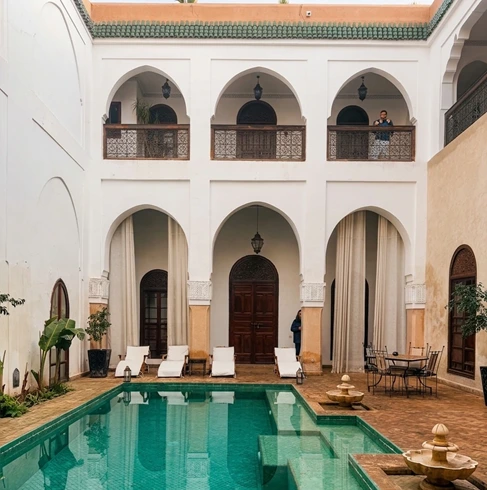
Most accommodations are traditional riads—beautiful Moroccan houses built around peaceful courtyards with fountains, gardens, or plunge pools. Behind their modest doors, you’ll often find elegant architecture, handcrafted décor, serene atmosphere and warm Moroccan hospitality.
Perfect for:
First-time visitors
Couples
Culture lovers
Photographers
Travelers who enjoy walking
Small group tours
Advantages:
Walk to major attractions
Authentic Moroccan atmosphere
Beautiful traditional riads
Excellent restaurants and cafés nearby
Owned by families with personalized services.
Things to Consider:
Many streets are pedestrian-only, so you may need to walk a short distance with your luggage after your transfer.
💡 Local Tip: If you have limited mobility, choose a riad located close to a main street to minimize walking through the Medina’s narrow alleyways.
💡 Local Tip: When booking a traditional riad, request a ground-floor room, as most riads do not have elevators and access to upper floors is by stairs.
2. Gueliz – Best for Shopping and Modern Living
Built during the French Protectorate, Gueliz is Marrakech’s modern district. Wide boulevards, fashionable boutiques, cafés, shopping centers, and contemporary restaurants create a completely different atmosphere from the Medina.
It’s an excellent choice for travelers who enjoy modern comforts while remaining just a short taxi ride from the Old City.
Perfect for:
Families
Digital nomads
Longer stays
Shopping enthusiasts
Modern city lovers
Advantages:
Easy transportation
International restaurants
Modern hotels
Shopping malls and cafés
3. Hivernage – Best for Luxury Hotels
Hivernage is Marrakech’s elegant hotel district, known for its five-star resorts, rooftop lounges, fine dining, and luxurious spas.
Although it’s close to the Medina, the atmosphere is quieter and more relaxed, making it popular with honeymooners and travelers seeking premium accommodation.
Perfect for:
Luxury travelers
Couples
Honeymooners
Spa lovers
large groups
Advantages:
Luxury resorts
Excellent restaurants
Upscale nightlife
Beautiful swimming pools
4. Palmeraie – Best for Peace and Relaxation
Located just outside the city, the Palmeraie is a vast palm grove offering spacious resorts, golf courses, and peaceful gardens.
This area provides a tranquil retreat away from the busy Medina while still being only 20–30 minutes from the city’s main attractions.
Perfect for:
Families
Luxury holidays
Golf enthusiasts
Relaxation
Advantages:
Quiet surroundings
Large resorts
Swimming pools
Beautiful gardens
💡 Local Tip: If you stay in the Palmeraie, choose a resort that offers a free shuttle service to the Medina or Gueliz. Otherwise, you’ll need to rely on taxis each time you want to visit Marrakech’s main attractions, which can quickly add to your transportation costs.
5. Agdal – Best for Value and Convenience
Situated south of the Medina, Agdal combines residential neighborhoods with modern hotels, shopping centers, and restaurants. It offers good value for money and convenient access to both the city center and Marrakech Menara Airport.
Perfect for:
Families
Business travelers
Visitors with rental cars
Budget-conscious travelers
Group of motorbikes
Advantages:
Good value hotels
Easy parking
Modern facilities
Less crowded
Should You Stay in a Riad or a Hotel?
One of the most common questions travelers ask is whether to book a traditional riad or a modern hotel.
Stay in a Riad if you want:
Authentic Moroccan architecture
A peaceful courtyard
Personalized hospitality
A unique cultural experience
A central location in the Medina
Stay in a Hotel or Resort if you prefer:
Larger swimming pools
Fitness centers
Spa facilities
Multiple restaurants
Family-friendly amenities
💡 Local Tip: Many visitors choose to spend a few nights in a riad before moving to a resort for the final part of their holiday.
Accommodation for Every Budget
Whatever your travel style, Marrakech has plenty of options.
Budget (€20–60 per night)
Hostels, guesthouses, and simple riads offer excellent value, particularly in the Medina and Gueliz.
Mid-Range (€60–150 per night)
This price range includes many beautifully restored riads with breakfast, rooftop terraces, and exceptional service.
Luxury (€180–500+ per night)
Marrakech is home to some of Morocco’s finest luxury hotels and palace-style resorts, featuring world-class spas, gourmet restaurants, lush gardens, and outstanding hospitality.
Our Recommendation
If this is your first visit to Marrakech, we recommend staying in a traditional riad in the Medina. Waking up to the sound of birds in a quiet courtyard before stepping into the lively streets of the Old City is an unforgettable experience and one of the reasons so many travelers fall in love with Marrakech.
If you’re planning a longer holiday or celebrating a special occasion, consider combining three nights in a Medina riad with two nights in a luxury resort in Hivernage or the Palmeraie. This allows you to experience both the city’s vibrant historic atmosphere and its world-class hospitality.
No matter where you choose to stay, Marrakech offers accommodations that blend comfort, character, and genuine Moroccan hospitality, ensuring your visit is both relaxing and memorable.
Marrakech Costs and Budget: How Much Does a Trip Cost?
One of the reasons Marrakech is such a popular destination is that it offers excellent value for money. Whether you’re traveling on a backpacker’s budget, planning a comfortable mid-range holiday, or looking for a luxury escape, you’ll find accommodation, restaurants, and experiences to suit almost every budget.
While prices vary depending on the season and your travel style, Marrakech is generally more affordable than many major European cities, allowing visitors to enjoy high-quality experiences without overspending.
Average Daily Budget
Here’s a general idea of how much you can expect to spend per person, excluding international flights.
Travel Style
Estimated Daily Budget
Budget
€40–€70
Mid-Range
€80–€150
Luxury
€200–€500+
These estimates include accommodation, meals, local transportation, attraction fees, and a few activities.
Accommodation Costs
Marrakech offers everything from affordable hostels to luxurious palace hotels.
Budget Accommodation
Hostels: €10–€25 per night
Simple guesthouses: €20–€40 per night
Mid-Range Riads
Traditional riads: €60–€150 per night
Many riads include breakfast and provide an authentic Moroccan experience in beautifully restored historic homes.
Luxury Hotels and Resorts
Luxury riads: €180–€400+ per night
Five-star resorts: €250–€800+ per night
These often include swimming pools, spas, fine dining, and premium services.
Food and Drink Costs
Eating in Marrakech can be surprisingly affordable.
Street Food
Sandwiches: €2–€5
Fresh orange juice: €1–€2
Moroccan pastries: €1–€3
Local Restaurants
Tagine: €6–€12
Couscous: €7–€15
Three-course meal: €15–€25
Fine Dining
High-end restaurants and rooftop venues typically cost:
€30–€70+ per person
Bacha Coffee
A visit to Bacha Coffee is considered a premium experience.
Expect to pay approximately:
Coffee: €8–€15
Pastries: €5–€10
Although more expensive than a typical café, many visitors consider it well worth the experience.
Transportation Costs
Getting around Marrakech is inexpensive.
Petit Taxi
Most journeys within the city cost between:
€2–€6
Always ask the driver to use the meter or agree on a price before your journey.
Airport Transfer
Taxi: €10–€20
Private transfer: €15–€30
Many hotels and riads can arrange airport pickups.
Attraction Entrance Fees
Approximate admission prices:
Bahia Palace: €10
Ben Youssef Madrasa: €5
Majorelle Garden: €17–€18
Yves Saint Laurent Museum: €14–€16
Le Jardin Secret: €10
Prices may change over time, so it’s always worth checking before your visit.
Hammam Prices
Traditional public hammams are one of the most affordable cultural experiences in Marrakech.
Public hammam: €2–€5
Luxury hammam: €50–€150
Luxury spas usually include towels, robes, toiletries, and professional treatments.
Shopping Budget
Shopping can fit almost any budget.
Typical souvenir prices include:
Handmade lantern: €20–€80
Leather slippers (Babouches): €15–€40
Argan oil: €10–€30
Moroccan tea set: €30–€100
Berber rugs: €100–€1,000+, depending on size and craftsmanship
Remember that bargaining is common in the traditional souks.
Day Trips and Excursions
Popular excursions typically cost:
Atlas Mountains: €30–€80
Essaouira: €30–€70
Agafay Desert: €50–€150
Hot Air Balloon: €180–€250
Private tours generally cost more but offer greater flexibility and comfort.
Sahara Desert Tours
For many travelers, a Sahara Desert tour is the highlight of their Moroccan journey.
Typical prices vary depending on the itinerary, accommodation, transportation, and whether you choose a shared or private tour.
As a general guide:
Shared tours: €90–€250 per person
Private tours: €300–€1,000+, depending on the number of travelers and level of accommodation
Although a desert tour represents a larger investment than a day trip, it includes transportation, accommodation, unforgettable experiences, and visits to some of Morocco’s most iconic landscapes.
How Can You Save Money?
Here are a few simple ways to keep your costs under control:
Travel during spring or autumn shoulder seasons.
Stay in traditional riads rather than international hotel chains.
Eat at local restaurants and family-run cafés.
Walk around the Medina whenever possible.
Bargain politely when shopping in the souks.
Book popular attractions and tours in advance during busy seasons.
Is Marrakech Expensive?
Compared with many destinations in Europe and North America, Marrakech offers excellent value for money. Visitors can enjoy beautiful accommodation, delicious cuisine, fascinating cultural experiences, and unforgettable excursions without spending a fortune.
Whether you’re traveling on a modest budget or planning a luxury holiday, Marrakech provides a remarkable combination of affordability, authenticity, and world-class hospitality.
Our Recommendation
For most travelers, a mid-range budget of around €100–€150 per person per day provides an excellent balance of comfort and value. This typically allows you to stay in a beautiful riad, enjoy authentic Moroccan cuisine, visit the city’s main attractions, and experience some of the best activities Marrakech has to offer.
If you’re planning to explore beyond the city, we also recommend setting aside part of your budget for a Sahara Desert tour. It is one of Morocco’s most unforgettable experiences and consistently ranks among the highlights of visitors’ trips.
Safety Tips for Visiting Marrakech
Marrakech is one of the safest and most welcoming cities in North Africa, attracting millions of visitors from around the world every year. Most travelers enjoy their stay without any problems, and violent crime against tourists is rare. Like any popular tourist destination, however, it’s important to stay aware of your surroundings, protect your belongings, and respect local customs.
By following a few simple precautions, you can enjoy everything Marrakech has to offer with confidence.
Is Marrakech Safe for Tourists?
Yes. Marrakech is generally considered a safe destination for tourists, including solo travelers, couples, families, and senior visitors. The Medina and the city’s main attractions are busy from morning until late at night, and you’ll often see other visitors exploring the streets.
The most common issues are minor inconveniences such as overly persistent street vendors, unofficial guides offering their services, or pickpocketing in crowded areas. These situations are usually easy to avoid with a little awareness.Walk where people walk and avoid alleys, be self-confident and avoid any unessary help.
Current 2026 the principal issues tourists encounter are generally solicitation/scams rather than violent crime
Protect Your Belongings
As in any busy city, keep an eye on your personal belongings, especially in crowded places such as Jemaa el-Fna Square and the souks.
Simple precautions include:
Keep your phone and wallet in a secure bag.
Avoid carrying large amounts of cash.
Use a cross-body bag or money belt.
Leave passports and valuables in your hotel safe when possible.
Be aware of your surroundings in crowded markets.
Be Cautious with Unofficial Guides
While many licensed guides provide excellent tours, you may occasionally encounter people offering unsolicited directions or guiding services.
If you don’t need assistance, simply smile and politely decline. If you would like a guided tour, it’s best to book through a licensed guide or a reputable local tour company.
Magic Lamp Tours assure you and give you support from our friendly sttaf. Contact us for any guided tours of Marrakech.
Agree Taxi Prices or Use the Meter
Before starting your journey, ask the driver to use the taxi meter (“compteur”). If the meter isn’t available, agree on the fare before getting into the taxi to avoid misunderstandings.
For airport transfers and day trips, many visitors prefer arranging transportation through their hotel or a trusted tour operator.
Respect Local Culture
Morocco is a welcoming Muslim-majority country where visitors are encouraged to dress and behave respectfully, particularly when visiting historic neighborhoods and religious sites.
Lightweight clothing that covers the shoulders and knees is appreciated when exploring the Medina or rural areas, although Marrakech is generally more relaxed than many travelers expect.
Respecting local customs helps create positive interactions with residents and enhances your overall experience.
Taking Photos
Marrakech is incredibly photogenic, but always ask permission before photographing local people, artisans, or performers.
Some performers in Jemaa el-Fna Square may expect a small tip if you take their photograph.
Photography is usually not permitted inside active places of worship unless specifically allowed.
Food and Water Safety
Marrakech offers excellent food, from street stalls to fine dining restaurants.
To avoid stomach discomfort:
Drink bottled or filtered water.
Eat at busy restaurants and food stalls with high customer turnover.
Wash your hands regularly.
Introduce street food gradually if you’re not accustomed to it.
Freshly prepared Moroccan cuisine is generally safe and delicious.
Walking at Night
The main tourist areas, including Jemaa el-Fna, are lively well into the evening and are generally safe for visitors.
If you’re returning to your riad late at night:
Stay on well-lit streets.
Travel with companions when possible.
Use a taxi for longer distances.
Follow directions provided by your accommodation.
Solo Female Travelers
Many women travel to Marrakech independently and have wonderful experiences. As with any destination, dressing modestly, remaining confident, and avoiding isolated areas late at night can help ensure a comfortable visit.
If someone is overly persistent, a polite but firm “No, thank you” is usually enough.
Joining a guided tour is also a great way to explore the city while learning about its history and culture.
Emergency Numbers
Useful emergency numbers in Morocco include:
Police: 19 (or 112 from many mobile phones)
Ambulance: 15
Fire Service: 15
Most hotels and riads are also happy to assist guests if they need medical help, transportation, or local advice.
Common Tourist Scams to Avoid
Although serious scams are uncommon, it’s helpful to know about a few situations that occasionally occur:
People claiming a street is closed and offering to guide you elsewhere.
Unofficial tour guides requesting payment after giving unsolicited directions.
Overpriced taxi rides without agreeing on a fare.
Fake “free” gifts that later require payment.
A polite refusal and confidence in your plans are usually all that’s needed.
Travel Insurance
Comprehensive travel insurance is strongly recommended for any trip to Morocco. It can provide peace of mind by covering medical emergencies, trip cancellations, lost luggage, and other unexpected situations.
Our Recommendation
Marrakech is a friendly, vibrant, and welcoming destination that is enjoyed by millions of visitors every year. By taking the same sensible precautions you would in any major tourist city—keeping your belongings secure, using licensed guides, respecting local customs, and planning transportation—you can explore with confidence.
The best way to experience Marrakech is to embrace its lively atmosphere, meet its welcoming people, and immerse yourself in its rich culture. With a little preparation and common sense, your visit is likely to be safe, enjoyable, and filled with unforgettable memories.
Cultural Etiquette in Marrakech
One of the most rewarding parts of visiting Marrakech is experiencing Morocco’s rich traditions and warm hospitality. Moroccans are known for their friendliness and generosity, and visitors who show respect for local customs are often welcomed with genuine kindness. While Marrakech is one of Morocco’s most cosmopolitan cities, understanding a few basic cultural etiquette tips will help you feel more comfortable and make your interactions with locals even more enjoyable.
Dress Respectfully
Marrakech is a modern and tourist-friendly city, but it is also located in a Muslim-majority country where modest dress is appreciated, especially in the Medina, local neighborhoods, and rural areas.
Both men and women are free to wear comfortable clothing, but outfits that cover the shoulders and knees are generally recommended when sightseeing. Lightweight fabrics such as cotton and linen are ideal for staying cool while respecting local customs.
Swimwear is perfectly acceptable at hotel pools, resorts, and private riads, but should not be worn when walking around the city.
Greetings Matter
Moroccans are known for their warm and polite greetings. A simple smile and greeting can go a long way.
Useful phrases include:
Salam Alaikum – Peace be upon you.
Wa Alaikum Salam – The traditional reply.
Bonjour – Commonly used in many shops and restaurants.
Shukran – Thank you.
La Shukran – No, thank you.
Even learning a few words of Arabic or French is appreciated and often leads to friendly conversations.
Ask Before Taking Photos
Marrakech is incredibly photogenic, from its colorful souks to its talented artisans. However, always ask permission before photographing people, especially market vendors, musicians, snake charmers, henna artists, and local families.
Some performers in Jemaa el-Fna may request a small tip if you take their photograph.
Photography inside some museums, religious sites, and private buildings may also be restricted.
Visiting Mosques
Most mosques in Morocco are reserved for Muslim worshippers. While non-Muslims cannot usually enter, visitors are welcome to admire their beautiful architecture from the outside.
The Koutoubia Mosque, Marrakech’s most famous landmark, is an excellent example of Almohad architecture and is especially beautiful at sunset.
Always dress respectfully and avoid disturbing worshippers during prayer times.
Shopping and Bargaining
Negotiating prices is part of the shopping experience in Marrakech’s traditional souks.
Bargain politely, remain friendly, and enjoy the conversation. A successful negotiation should leave both the buyer and seller satisfied.
If you’re not interested in buying something, simply smile and say “La Shukran” before continuing your walk.
Hospitality and Mint Tea
If you’re invited into a home, carpet shop, or artisan workshop and offered a glass of traditional Moroccan mint tea, accepting the invitation is considered a gesture of friendship and hospitality whenever your schedule allows.
Moroccan hospitality is deeply rooted in the country’s culture, and sharing tea is often an opportunity to enjoy conversation rather than feeling pressured to make a purchase.
During Ramadan
If you visit Marrakech during the holy month of Ramadan, you’ll experience a unique side of Moroccan culture.
While restaurants and hotels serving tourists remain open, it’s respectful to avoid eating, drinking, or smoking in public during daylight hours in quieter local neighborhoods.
After sunset, the city comes alive as families gather to break their fast, creating a festive and welcoming atmosphere.
Public Displays of Affection
Holding hands is common among couples, but more intimate public displays of affection are generally best avoided out of respect for local customs.
Tipping in Marrakech
Tipping is appreciated but not compulsory.
As a general guide:
Restaurants: 5–10% for good service.
Hotel porters: 10–20 MAD.
Housekeeping: 20–50 MAD per day.
Local guides and drivers: according to the quality and length of the service.
Small tips are always appreciated when someone provides helpful assistance. So, it is useful to get small change with you.
Respect Local Traditions
Marrakech is a city where ancient traditions and modern lifestyles exist side by side. Showing patience, kindness, and respect toward local customs will almost always be met with warmth and hospitality.
Visitors are encouraged to:
Be polite when interacting with locals.
Dress appropriately when visiting cultural or religious sites.
Ask permission before photographing people.
Support local artisans and family-run businesses.
Respect prayer times and religious traditions.
Our Recommendation
You don’t need to know every Moroccan custom before visiting Marrakech. Simply approaching your journey with curiosity, respect, and an open mind is enough to create meaningful experiences and memorable interactions.
Moroccans take great pride in sharing their culture with visitors, and a friendly smile, a respectful attitude, and a willingness to embrace local traditions will enrich your trip far beyond the city’s famous landmarks. By understanding and appreciating the local way of life, you’ll discover that Marrakech is not only a fascinating destination but also one of the most welcoming cities in the world.
What to Pack for Marrakech
Packing for Marrakech is relatively simple, but choosing the right clothing and travel essentials will help you stay comfortable throughout your trip. The city enjoys a warm climate for most of the year, although temperatures can vary significantly between day and night, especially if you’re planning to visit the Atlas Mountains or the Sahara Desert.
The key is to pack lightweight clothing for the daytime, a few warmer layers for cooler evenings, and comfortable footwear for exploring the Medina’s winding streets.
Clothing Essentials
Light, breathable clothing made from cotton or linen is ideal for Marrakech’s sunny weather.
We recommend packing:
Lightweight T-shirts and shirts
Comfortable trousers or long skirts
Shorts (suitable for tourist areas, though modest clothing is appreciated in the Medina)
A light sweater or fleece for evenings
A lightweight jacket (especially from November to March)
Comfortable walking shoes or trainers
Sandals for warm days
Swimwear for hotel pools, riads, and spas
Sleepwear
If you’re visiting the Sahara Desert or the Atlas Mountains, bring an extra warm layer, as temperatures can drop considerably after sunset.
Sun Protection
Marrakech enjoys more than 300 days of sunshine each year, so protecting yourself from the sun is essential.
Pack:
Sunglasses
Sunscreen (SPF 30 or higher)
Wide-brimmed hat or cap
Lip balm with SPF
Reusable water bottle
Travel Essentials
Don’t forget these useful items:
Passport and travel documents
Travel insurance details
Credit and debit cards
Some Moroccan Dirhams for small purchases
Mobile phone and charger
Portable power bank
Universal travel adapter (Type C and E plugs)
Camera or smartphone for photos
Day backpack for sightseeing
Toiletries
Although most hotels provide basic toiletries, it’s useful to bring:
Toothbrush and toothpaste
Deodorant
Shampoo and conditioner (if preferred)
Moisturizer
Hand sanitizer
Wet wipes
Personal medications
Basic first-aid kit
Packing for the Sahara Desert
If you’re joining a desert tour from Marrakech, pack a small overnight bag with:
Warm jacket or fleece
Comfortable trousers
Closed walking shoes
Hat and sunglasses
Sunscreen
Camera
Portable charger
Flashlight or headlamp
Reusable water bottle
Your main luggage is usually transported separately by your driver while you travel to the desert camp.
Packing for Winter
Between December and February, Marrakech enjoys pleasant daytime temperatures, but evenings can become cool.
We recommend adding:
Warm sweater
Medium-weight jacket
Scarf
Closed shoes
If you’re heading into the Atlas Mountains or the Sahara Desert, winter nights can occasionally approach freezing temperatures.
Packing for Summer
During June, July, and August, temperatures often exceed 40°C (104°F).
Choose:
Loose-fitting clothing
Breathable fabrics
Sun hat
Sunglasses
Plenty of sunscreen
Staying hydrated throughout the day is especially important during the summer months.
Should You Dress Conservatively?
Marrakech is one of Morocco’s most international cities, and visitors wear a variety of clothing styles. However, dressing modestly—particularly in the Medina and traditional neighborhoods—is appreciated and often helps visitors feel more comfortable.
Clothing that covers the shoulders and knees is a practical choice when sightseeing, while swimwear should be reserved for hotel pools and private resorts.
Things You Don’t Need to Pack
Many everyday items are easy to purchase in Marrakech, including:
Bottled water
Sunscreen
Toiletries
SIM cards
Snacks
Basic clothing
Pharmacy items
If you forget something, you’ll find plenty of supermarkets, pharmacies, and convenience stores throughout the city.
Our Packing Checklist
Before leaving for Marrakech, make sure you have:
Passport and travel documents
Lightweight clothing
Comfortable walking shoes
Sunglasses and sunscreen
Light jacket for evenings
Travel adapter
Power bank
Camera
Day backpack
Personal medications
Credit card and some cash
Our Recommendation
Pack light and focus on comfort. Marrakech is a city best explored on foot, and you’ll appreciate breathable clothing and supportive shoes as you wander through the Medina, gardens, museums, and bustling souks.
If you’re planning a Sahara Desert tour, don’t forget a warm layer for the evening and a small overnight bag for your desert camp. Most importantly, leave some extra space in your suitcase—you’ll almost certainly return home with beautiful Moroccan souvenirs, spices, handcrafted goods, or perhaps a traditional Berber rug from the markets of Marrakech.
Hidden Gems in Marrakech: Experience the City Like a Local
1. Traditional Public Ovens (Ferran)
Families prepare bread at home and take it to the neighborhood wood-fired oven to be baked. It is one of Marrakech’s oldest daily traditions, yet most visitors never encounter it because these ovens are tucked inside residential neighborhoods rather than tourist routes. Watching the baker identify each family’s loaves and manage dozens of breads at once is a genuine slice of local life.
Visit a traditional neighborhood public oven and learn how Marrakech families have baked their daily bread for centuries.
2. Tanjia Cooking in the Ash Oven
Another fantastic experience.
Most tourists simply order tanjia in a restaurant.
Locals know that traditionally:
the meat is prepared at home,
placed in a clay pot,
taken to the hammam furnace or communal oven,
and slow-cooked for several hours.
Visitors can see the oven, meet the keeper, and later enjoy the finished dish. Hidden-sight tours increasingly feature these public tanjia ovens because they are such a distinctive part of Marrakech life.
3. Artisan Workshops (Not Tourist Shops)
Instead of taking visitors to souvenir stores:
Visit actual workshops where artisans are:
hammering brass lanterns
carving cedar wood
weaving
making babouches
creating zellige
Many workshops are family businesses that have operated for generations.
4. Visit Traditional Fondouks
Hidden within the winding streets of Marrakech’s Medina, traditional fondouks were once bustling inns where merchants traveling along ancient trade routes could rest, store their goods, and conduct business. Today, many of these historic buildings have been transformed into workshops where skilled artisans continue centuries-old crafts such as woodworking, metalwork, leather making, and weaving. Visiting a fondouk offers a fascinating glimpse into Marrakech’s commercial heritage and provides an opportunity to meet local craftsmen preserving Morocco’s rich artisanal traditions.
We’ve been helping travelers explore Morocco for more than 14 years. Our Marrakech advice comes from local guides and drivers who work in the city every day—not simply from information collected online.
5.The Olive Market
Tucked away from the busiest tourist streets, Marrakech’s Olive Market is a feast for the senses, with stalls displaying dozens of varieties of green, black, purple, and spiced olives. You’ll also find Morocco’s famous preserved lemons, an essential ingredient that adds a distinctive citrus flavor to traditional dishes such as tagines and salads. Local vendors are often happy to explain the traditional olive-curing methods and how olives and preserved lemons have been used in Moroccan cooking for generations.
6.Meet a Traditional Herbalist
Step into a traditional herbalist’s shop and discover one of Marrakech’s oldest healing traditions. Often described as a natural local pharmacy, these shops are filled with aromatic herbs, spices, essential oils, and natural remedies that Moroccans have used for generations to support everyday well-being. You’ll also learn how spices such as saffron, cumin, cinnamon, turmeric, and ras el hanout are not only valued for their traditional uses but also play an essential role in creating the rich and distinctive flavors of Moroccan cuisine.
From the hidden gems above, these are the the best Experiences to go beyond the Tourist Trial in Marrakech.
🍞 Visit a traditional public bread oven (Ferran)
🍲 Discover how Marrakech’s famous tanjia is slow-cooked in a communal oven
🔨 Meet local artisans in family workshops
🌿 Learn about Moroccan herbs from a traditional herbalist
🫓 Taste fresh bread straight from a neighborhood oven
☕ Enjoy mint tea in a local café away from the tourist crowds
🛍️ Explore quiet residential souks with a local guide
🕌 Learn about the history and daily life of the Medina
🥘 Shop for ingredients in a local produce market
🌅 Watch the Medina wake up on an early morning walking tour.
Visit the best restaurants and try yummy food.
This Marrakech Travel Guide will be updated reguraly to give the most recent information about Marrakech.
Magic Lamp Tours can arrange private guided experiences that go beyond the standard Marrakech sightseeing route.
Yes. Marrakech is one of Morocco’s most iconic destinations, famous for its historic Medina, colorful souks, beautiful palaces, traditional riads, lively Jemaa el-Fna Square, and excellent food. It also serves as the gateway to the Atlas Mountains and the Sahara Desert.
2.
Where is Marrakech located?
Marrakech is located in central Morocco, at the foot of the High Atlas Mountains, approximately 240 km (150 miles) south of Casablanca.
3.
How many days should I spend in Marrakech?
We recommend 3 to 4 days to explore the city’s main attractions. If you also want to visit the Sahara Desert or the Atlas Mountains, plan for 5 to 8 days.
4.
What is Marrakech famous for?
Marrakech is famous for Jemaa el-Fna Square, the Medina, colorful souks, Bahia Palace, Majorelle Garden, traditional hammams, rooftop cafés, and its vibrant Moroccan culture.
5.
What is the best time to visit Marrakech?
The best months are March to May and September to November, when the weather is warm and comfortable for sightseeing.
6.
Is Marrakech expensive?
No. Marrakech offers excellent value for money, with accommodation, restaurants, and attractions available for budget, mid-range, and luxury travelers
7.
Do I need cash in Marrakech?
Yes. While many hotels and larger restaurants accept credit cards, cash is useful for shopping in the souks, taxis, and small cafés.
8.
What currency is used in Marrakech?
The local currency is the Moroccan Dirham (MAD).
9.
Is Marrakech safe for tourists?
Yes. Marrakech is generally very safe for tourists. Like any major city, you should keep an eye on your belongings in crowded areas.
10.
Is Marrakech safe for solo female travelers?
Yes. Many women visit Marrakech independently. Dressing respectfully and using common travel precautions will help ensure a comfortable trip.
11.
Can I drink tap water in Marrakech?
Most visitors prefer bottled or filtered water to avoid stomach discomfort during their trip.
12.
How do I get around Marrakech?
Walking is the best way to explore the Medina, while petit taxis and private drivers are convenient for longer journeys.
13.
Is Marrakech walkable?
Yes. Most major attractions inside the Medina are within walking distance of one another.
14.
Is food in Marrakech halal?
Yes. Morocco is a Muslim-majority country, and the vast majority of restaurants serve halal food
15.
What food should I try in Marrakech?
Don’t miss tagine, couscous, pastilla, harira, Moroccan mint tea, fresh orange juice, street food in Jemaa el-Fna, and Bacha Coffee.
16.
Is street food safe in Marrakech?
Yes, especially when choosing busy food stalls with a high turnover of customers
17.
Can you bargain in Marrakech?
Yes. Bargaining is a normal part of shopping in the traditional souks and is expected by both buyers and sellers.
18.
What are the best souvenirs from Marrakech?
Popular souvenirs include Berber rugs, lanterns, leather goods, argan oil, spices, ceramics, tea sets, and handmade jewelry.
19.
What should I wear in Marrakech?
Lightweight, comfortable clothing is ideal. Modest dress that covers the shoulders and knees is appreciated when visiting the Medina and cultural sites.
20.
Can tourists visit mosques in Marrakech?
Most mosques, including the Koutoubia Mosque, are reserved for Muslim worshippers. Visitors are welcome to admire their architecture from the outside.
21.
What are the best attractions in Marrakech?
Top attractions include Jemaa el-Fna, Bahia Palace, Majorelle Garden, Ben Youssef Madrasa, Bacha Coffee, the souks, rooftop cafés, and a traditional hammam.
22.
Is Bacha Coffee worth visiting?
Yes. Located inside Dar el Bacha Palace, Bacha Coffee is one of Marrakech’s most popular cafés, known for its elegant setting and premium 100% Arabica coffees.
23.
Is a Moroccan hammam worth it?
Absolutely. A traditional hammam is one of Morocco’s most authentic wellness experiences and a great way to relax after sightseeing.
24.
Can you visit the Sahara Desert from Marrakech?
Yes, but the Sahara is too far for a day trip. Most visitors choose a 3-day or longer desert tour.
25.
What is the best desert tour from Marrakech?
A 3-Day Marrakech to Merzouga Desert Tour is one of the most popular options, combining the High Atlas Mountains, Ait Ben Haddou, Todra Gorge, camel trekking, and a night in a Sahara desert camp.
26.
Is Agafay Desert the Sahara Desert?
No. Agafay is a rocky desert located near Marrakech, while the Sahara Desert is much farther southeast and is famous for its golden sand dunes.
27.
Do I need a guide in Marrakech?
No, but hiring a licensed local guide is a great way to learn about the city’s history, architecture, and culture while exploring the Medina.
28.
Is Marrakech family-friendly?
Yes. Families can enjoy gardens, camel rides, horse-drawn carriage tours, museums, cooking classes, and day trips to the Atlas Mountains or Agafay Desert.
29.
Can I use English in Marrakech?
Yes. English is widely spoken in tourist areas, while Arabic and French are the main languages used by locals.
30.
Why is Marrakech called the Red City?
Marrakech is known as the Red City because many of its walls, buildings, and historic monuments are built from distinctive red sandstone and clay, giving the city its iconic warm color.
31.
Can I customize a private tour from Marrakech?
Yes. Private tours can be tailored to your interests, schedule, accommodation preferences, and travel style. Whether you’re looking for a luxury desert experience, a family-friendly itinerary, or a halal-friendly journey, a customized tour allows you to explore Morocco at your own pace.