

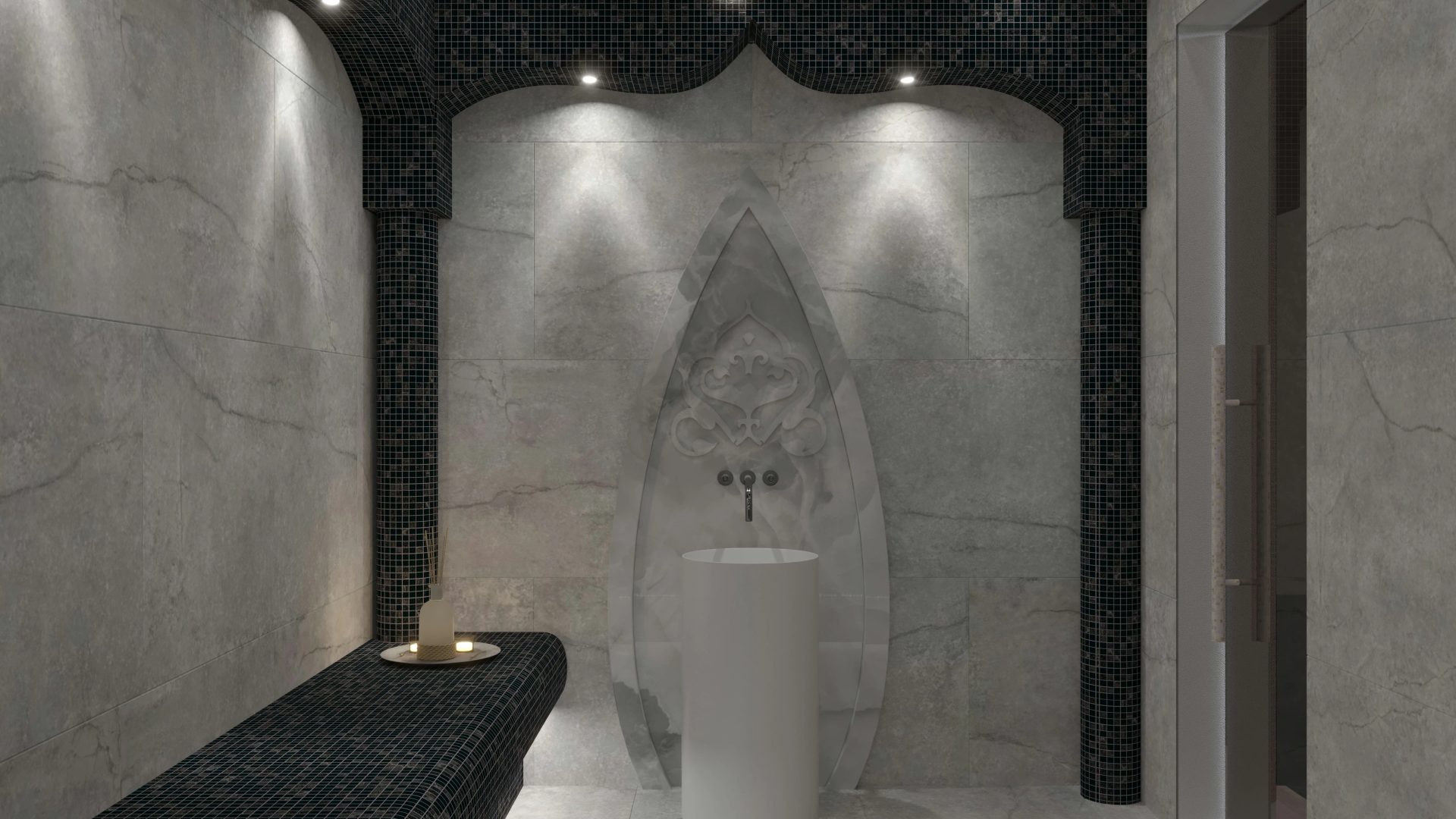
Traditional Moroccan Hammams: Everything You Need to Know Before You Go
Morocco traditional hammam: Complete Guide for First-Time Visitors
Beneath the ochre walls and winding medinas of Morocco, a living tradition welcomes travelers: the Moroccan hammam. More than a simple wash house, the hammam is a celebration of heritage – a centuries-old wellness ritual that leaves a lasting impression on both body and spirit. For visitors seeking genuine engagement, the hammam offers direct participation in Moroccan daily life, revealing local wisdom that blends relaxation, purification, and community. Whether journeying solo, exploring as a group of friends, or introducing a family to Morocco’s richness, the hammam opens a window onto warm hospitality and authentic experiences.
With a focus on cultural depth and authenticity, Magic Lamp Tours invites you to discover hammams as part of immersive, customized tours across Morocco’s vibrant cities, Berber villages, and sweeping deserts. Guided by local expertise, your journey into Moroccan wellness offers comfort, personal connection, and a deep sense of place. Discover why this essential ritual remains central to daily life, how it has shaped generations, and how to prepare for your own visit – whether you crave the energy of a bustling public hammam or the tranquility of a luxurious spa. Let the steam rise, the Savon Beldi flow, and tradition surround you.
This guide unlocks the essentials of the Moroccan hammam, tailored for international travelers aiming to engage deeply and respectfully with Moroccan culture. For more on local insights and philosophy, explore Magic Lamp Tours’ commitment to authentic Moroccan experiences.
What is a Moroccan Hammam? Understanding Its Cultural and Historical Significance
Ancient Origins: Influence from Roman Baths and Islamic Traditions
As you step through the heavy wooden door of a Moroccan hammam, clouds of mineral-rich steam and the hum of conversation greet you – signals of a tradition with ancient roots. Hammams trace their lineage to Roman thermae – public bathhouses central to social and civic life, where stone, steam, and water were agents of both cleansing and community.
When Morocco adopted Islam in the 7th century, the hammam evolved in both structure and significance. In Islamic practice, ritual purification with water is required before prayer. The bathhouse became not only a practical necessity but also a sacred one. Over centuries, the hammam emerged as a distinctive feature of Moroccan towns, villages, and cities – a site where architecture, ritual, and daily life converged. Today, these bathhouses are threaded through every medina and neighborhood, sometimes tucked beside mosques or built into welcoming riads.
The Role of the Hammam in Moroccan Culture: Purification, Community Gathering, and Hospitality
The hammam’s role reaches far beyond cleanliness. Historically, it provided reliable hot water to communities where private bathing facilities were rare. Yet even with the spread of modern amenities, Moroccans maintain the weekly hammam visit as a treasured form of social connection and emotional renewal.
In the medina, hammams are social hubs. For women, these spaces serve as venues for nurturing friendships, exchanging news, and supporting each other. Men gather for conversation, relaxation, and to prepare for special occasions. Major life passages – such as weddings, births, or children’s introductions to tradition – are often accompanied by special hammam ceremonies. The ritual still marks the rhythm of many lives, offering not only purification of the body, but a mental reset for the week ahead. Entering the hammam is to participate in the living narrative of Moroccan culture.
The Traditional Hammam Ritual: Step-by-Step What to Expect
Visiting a Moroccan hammam is an immersive process, celebrated for its transformational effects and for the gentle, rhythmic pace. Whether in a classic public hammam or an elegant spa, the ritual follows a recognizable sequence. Here’s what to expect as you embrace this quintessential Moroccan experience.
How does a Moroccan Hammam works?
Step 1: Acclimating in the Warm, Hot, and Very Hot Steam Rooms
Traditional hammams are structured by a series of three rooms: the warm (tepidarium), hot (caldarium), and very hot steam chamber. Upon entry, begin in the warmest area you find comfortable – taking a seat or stretching out on stone benches. Allow the humid air to open your pores and gently relax your muscles.
Transitioning slowly from warm to hot rooms lets your body adapt to rising temperatures. Expect heat to range from about 30°C to 50°C with humidity levels that intensify the sensation. If you feel lightheaded, return to a cooler area and rest. The initial period prepares the skin and mind for the ritual to follow.
Step 2: Applying Black Soap (Savon Beldi) for Purification
With your body warmed through, it’s time to apply Savon Beldi – an olive-based black soap found only in North Africa. Scoop a generous portion and massage it over damp skin, focusing on arms, legs, back, and torso. This unique soap softens and purifies without foaming, releasing subtle earthy and herbal scents.
Let the Savon Beldi sit for several minutes. Its natural emollients loosen dead skin and prime the body for effective exfoliation. The olive paste’s slippery, silky texture is the signal that your skin is ready for deep renewal.
Step 3: Exfoliation with the Kessa Mitt for Skin Renewal
Next comes the heart of the hammam: exfoliation. Your Hammamist or yourself (if in a traditional hammam) uses a rough Kessa mitt – a textured glove – to scrub the length of your body. The pressure can be tailored to your preference and is intended to remove dead skin, stimulate blood flow, and reveal a new radiance.
Dark rolls of dead skin often appear as evidence of the transformation. You may request lighter (khfef) or stronger (khard) scrubbing by using these Moroccan Arabic terms. This stage is often invigorating and may leave skin tingling.
Step 4: Detoxifying with Ghassoul Clay Mask from the Atlas Mountains
After exfoliation, responsive skin receives a mineral boost. Ghassoul clay, sourced from the Atlas Mountains and used in Morocco for centuries, is mixed with water into a paste and spread over body and hair. This natural clay absorbs excess oil and may draw out impurities.
Sit quietly as the Ghassoul works its magic – rest and let your skin absorb the clay’s minerals. Rinse to reveal skin that feels smoother and revitalized, following a beauty practice passed down through Moroccan generations.
Step 5: Final Nourishment with Authentic Argan or Prickly Pear Oils
The ritual closes with nourishment. Attendants or spa staff apply argan oil – a Moroccan treasure high in restorative properties – gently massaging it into skin and hair. Some spas also use prickly pear oil for an added dose of antioxidants and softness.
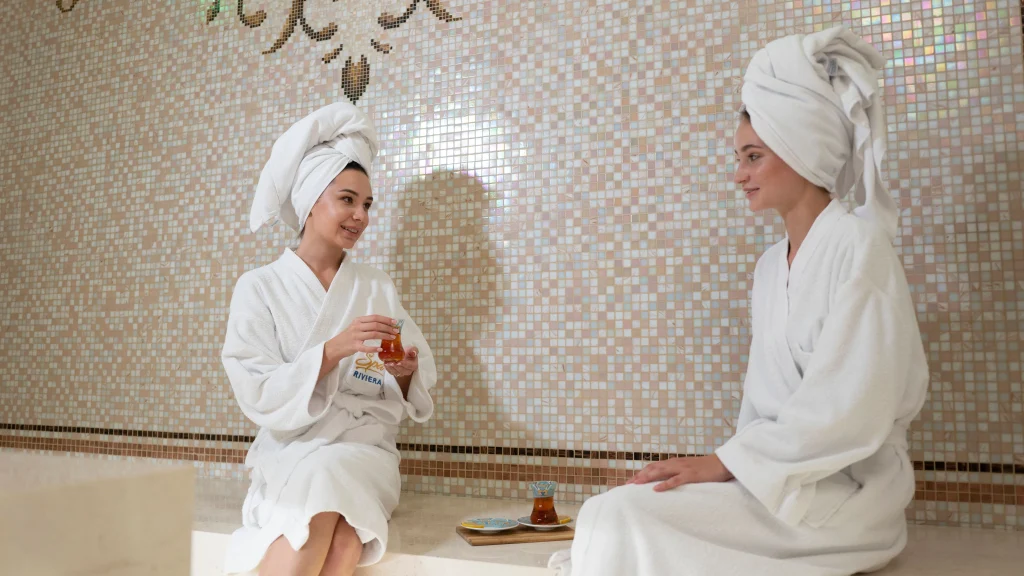
A rinse with warm or cool water completes the process. Many guests finish with a moment in a resting lounge, relaxing with mint tea, restored and refreshed.
Preparing for Your Hammam Visit: Essentials, Etiquette and Practical Tips
Proper preparation ensures the hammam experience is welcoming, comfortable, and respectful of local customs. Whether you plan to visit a lively public hammam or a tranquil spa, pay attention to what you’ll need and what is expected.
What to Bringto a Moroccan traditional hammam: Your Hammam Packing Checklist
- Flip-flops or slip-resistant sandals for safe movement on wet floors
- Towel (public hammams do not supply these)
- Bathing suit or underwear – modest attire is suitable, and locals are understanding of visitors’ choices
- Kessa mitt (exfoliating glove), available at markets or hammam entrances
- Savon Beldi (black soap) and Ghassoul clay (bring your own in public hammams)
- Drinking water for hydration
- Additional shorts, t-shirt, or a pareo for extra coverage if desired
Luxury hammams and spas usually supply all needed amenities, including robes, slippers, and signature products.
Gender Etiquette: Who Will You Bathe With?
Moroccan hammams nearly always separate bathing times or areas by gender. Typical schedules designate certain hours or days for men and others for women, and most facilities have separate entrances. Hotel spas may offer couples’ sessions or family slots, but mixed-gender bathing is rare outside private or luxury environments. On arrival, confirm the schedule or ask attendants for guidance.
Differences Between Public Hammams and Luxury Spa Hammams
| Feature | Public Hammam (Traditional) | Luxury Spa Hammam |
|---|---|---|
| Attendant Service | “Self-scrub” or Hammamist for exfoliation | Full scrub, mask, massage services |
| Amenities | Bring personal soap, mitt, and towel | Robes, slippers, high-end products included |
| Privacy | Lively, communal, shared spaces | Private rooms or alcoves |
| Cost | Budget-friendly; in local currency | Premium pricing, set to international norms |
| Atmosphere | Vibrant, authentic, communal | Serene, peaceful, tailored |
| Who It Suits | Cultural engagement, adventurous travelers | Comfort-seekers, first-timers, families |
How Much Does a Moroccan Hammam Cost?
The cost of a Moroccan hammam depends on the type of experience you choose.
A traditional public hammam typically costs between €2 and €3 for entry. However, you’ll need to bring your own toiletries, such as black soap, a scrubbing glove (kessa), shampoo, towels, and a change of clothes. In most public hammams, you’ll also wash and scrub yourself, although you may be able to hire an attendant for an additional fee.
If you prefer a more comfortable and relaxing experience, a private or luxury hammam usually starts at around €50 per person. These wellness centers generally provide everything you need, including towels, toiletries, black soap, ghassoul clay, and professional treatments such as exfoliation, massages, and argan oil therapies. Luxury hammams are especially popular with first-time visitors who want to experience Moroccan wellness traditions in a private and comfortable setting.
Public hammams provide the deepest connection with Moroccan urban and rural life, while luxury spas deliver indulgence through refined comfort and privacy. To explore refined Moroccan wellness, Magic Lamp Tours suggest the best hammam in Marrakech and other cities, and will include it in the best Moroccan activities.
Among the best best Hammams in Marrakech are Bain de kasbah that is highly recommended, along with Les Bain du Lotus.
What Is an Argan Oil Treatment?
An argan oil treatment is a traditional Moroccan wellness therapy that uses pure argan oil, often called “liquid gold,” to deeply nourish the skin and hair. Produced from the kernels of the argan tree, which grows almost exclusively in Morocco, argan oil is rich in vitamin E, antioxidants, and essential fatty acids.
After a traditional hammam, many spas apply warm argan oil during a relaxing massage or as a moisturizing body treatment. The oil helps hydrate the skin, improve elasticity, and leave it feeling soft and refreshed. It is also commonly used as a hair treatment to reduce frizz, add shine, and nourish dry or damaged hair.
An argan oil treatment is the perfect way to complete your Moroccan hammam experience, combining centuries-old wellness traditions with the natural benefits of one of Morocco’s most famous products.
Hygiene and Safety Tips: Making Your Visit Comfortable
- Inspect shared water buckets, benches, and mats for cleanliness
- Wear flip-flops to prevent slips
- Stay hydrated – a hot steam environment can be dehydrating
- Keep valuables secure; bring only essentials
- Plan to spend 1–2 hours for the full ritual
First-time visitors may feel more at ease during morning hours, as hammams are quieter and less crowded.
Health and Wellness Benefits of Moroccan Hammams and Rituals
The Moroccan hammam offers a combination of ancient wisdom and restful escape. While always consult your healthcare provider if you have concerns, the hammam may support several aspects of wellness:
- Skin Health: Deep cleansing with steam and the Kessa mitt removes dead cells and cleans pores, supporting a smoother, more radiant appearance
- Stress Relief and Improved Sleep: Gentle warmth and steam relax the nervous system, calm the mind, and may help contribute to better sleep quality
- Cardiovascular and Respiratory Circulation: The combination of heat and steam can encourage blood flow and may assist easier breathing, especially in the cooler seasons
- Emotional Renewal: For locals, the hammam marks a weekly renewal, giving a psychological fresh start
This information is for general purposes only and is not medical advice. Those with underlying health conditions or sensitivities should consult a medical professional before using steam rooms or engaging in intense exfoliation.
Common Mistakes, Safety Advice, and Cultural Nuances to Know
To fully enjoy the hammam and avoid discomfort, remember these essential tips:
- Communicating Scrub Pressure: During exfoliation, ask for lighter (khfef) or stronger (khard) scrubbing in Moroccan Arabic. Don’t hesitate to indicate comfort levels through simple words or gentle gestures.
- Tipping Etiquette: At public hammams, tip your attendant about 20–50 MAD for dedicated service. In spas, tips may be built into the service fee, but asking discreetly is fine.
- Post-Hammam Skin Care: Skin can be more sensitive after a scrub. Avoid direct sunlight, harsh soaps, or additional exfoliation for at least a full day. Soft, loose clothing is recommended.
- Privacy and Nudity Norms: Local hammams generally practice full nudity in single-gender spaces, but visitors are welcome to wear underwear, swimwear, or keep covered as they wish. Private spas frequently provide clear guidance and extra privacy options.
Be mindful of your physical response in the steam rooms; step out for cool air if you feel lightheaded, and always take care on wet floors.
Many travelers enjoy including a traditional hammam after several days of sightseeing during our 10 Days Morocco Itinerary.
For more stories and deeper travel tips, visit our Morocco Travel Blog for more cultural insights and travel tips.
How to Bring the Hammam Experience Into Your Morocco Journey
A traditional hammam is a highlight that enriches any Morocco adventure, pairing seamlessly with other discoveries such as exploring bustling souks, journeying through the Sahara Desert, or tasting classic Moroccan cuisine. Magic Lamp Tours specializes in customized Morocco tour packages that let you choose your experience – from a lively local hammam to a serene luxury spa, and every detail curated to your comfort and interests.
Include a hammam in your city visit, desert adventure, or Atlas Mountains retreat for an experience that blends relaxation, culture, and discovery. For personalized recommendations and expert arrangements, contact Magic Lamp Tours for your personalized Morocco wellness travel. Our local guides are ready to create your ideal blend of tradition, comfort, and authentic Moroccan hospitality.
A traditional Moroccan hammam is the perfect way to relax after exploring the country. If you’re joining our 11 Days Morocco Tour from Casablanca, we recommend enjoying a hammam toward the end of your journey, when you’ve finished visiting the imperial cities, the Sahara Desert, and the Atlas Mountains. It’s a wonderful way to soothe tired muscles and end your Moroccan adventure feeling refreshed. Travelers spending more time in one destination can also include a hammam during our One Week in Marrakech itinerary, where you’ll have plenty of free time to experience one of the city’s authentic public hammams or luxury wellness spas.
Also, after taking a 4 day desert tour from Marrakech and spending a night in the Sahara Desert, many travelers choose a relaxing hammam in Marrakech.