

How to Navigate Moroccan Souks: 15 Essential Tips for First-Time Visitors
This article has been written by Local Tourist Guide from Marrakech who is a member of Magic Lamp Tours
What Are Moroccan Souks?
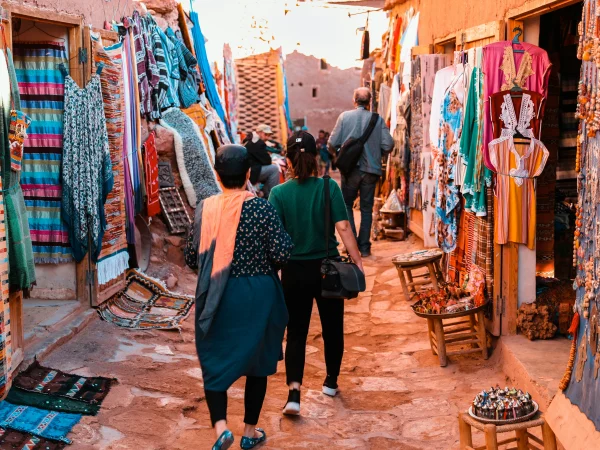
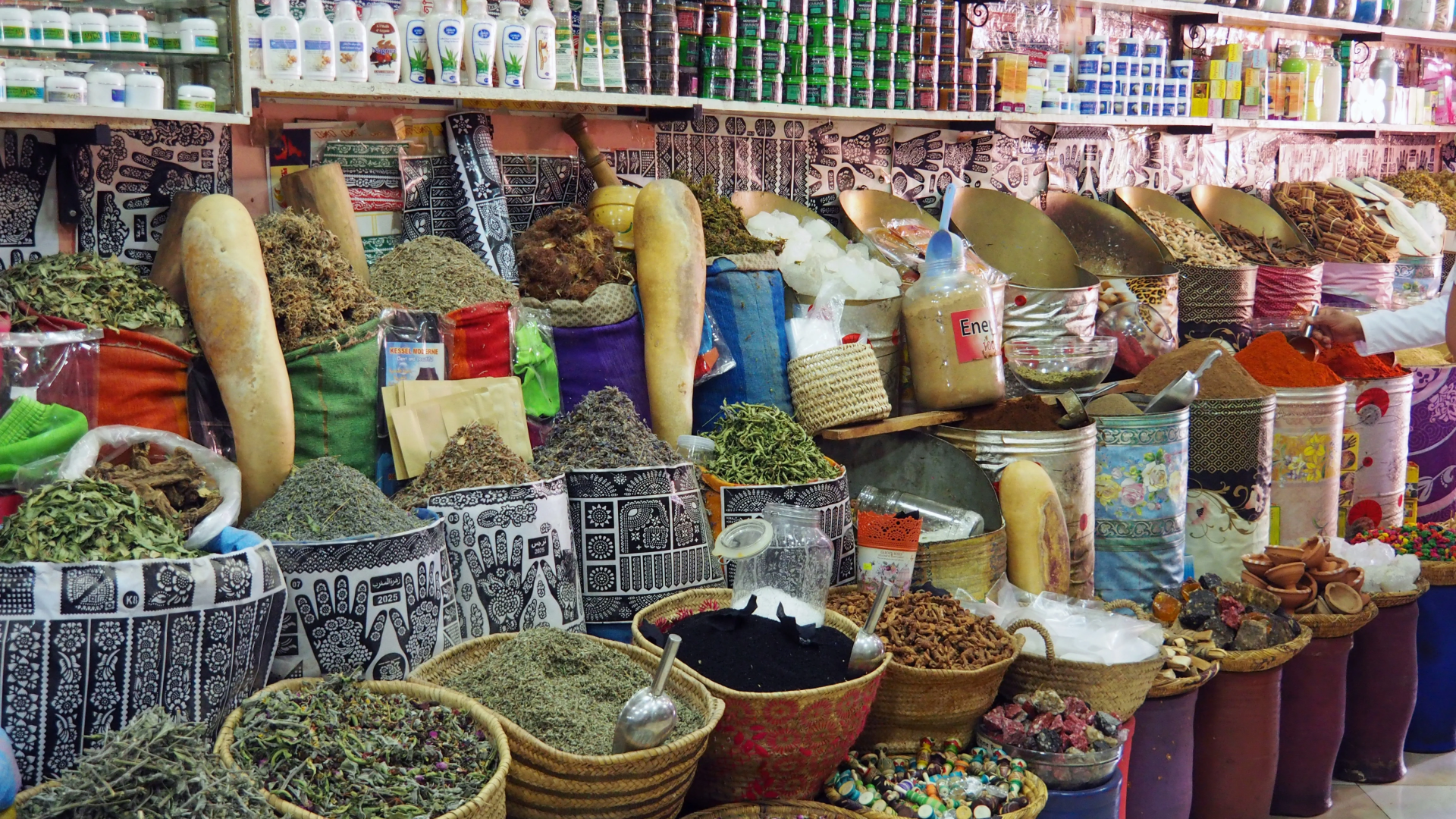
Moroccan souks are traditional marketplaces located inside the historic medinas of cities throughout Morocco. These lively markets are known for their maze-like alleys, colorful shops, handmade products, and vibrant atmosphere.
In Moroccan souks, visitors can shop for:
- Handmade rugs
- Leather bags
- Spices
- Ceramics
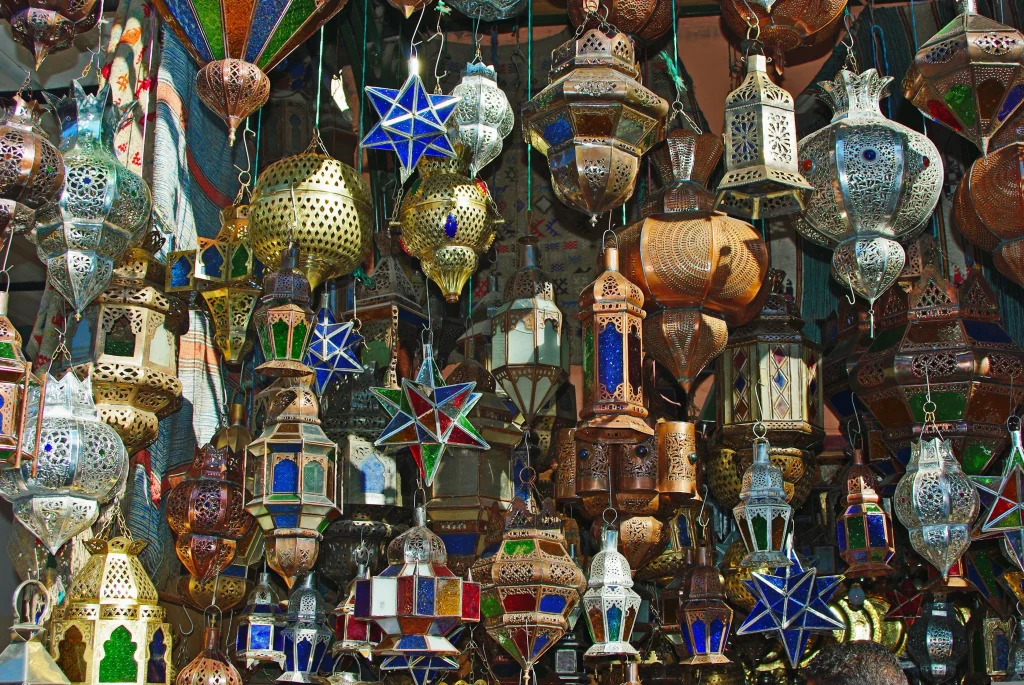
- Lanterns
- Argan oil
- Traditional clothing
- Jewelry
- Woodwork
- Artisan crafts
Unlike modern shopping centers, souks are deeply connected to Morocco’s culture and history. Many artisan techniques used today have been passed down for generations.
How Souks Are Organized
- Leather goods → one section
- Spices → another section
- Carpets and rugs → separate areas
- Metalwork, lamps, and jewelry → grouped together
Why Moroccan Souks Are Famous Worldwide
Moroccan souks attract travelers from around the world because they offer a unique blend of culture, shopping, history, and sensory experiences.
The souks are famous for:
- Traditional Moroccan craftsmanship
- Vibrant street photography
- Authentic cultural interaction
- Historic architecture
- Rich aromas of spices and leather
- Handmade goods unavailable elsewhere
Cities like Marrakech and Fez are especially known for their enormous traditional markets that date back centuries.
Best Moroccan Cities for Souk Shopping
Marrakech Souks
The souks of Marrakech are among the most famous markets in North Africa. Located near Jemaa el-Fnaa square, these bustling alleys are filled with textiles, lanterns, spices, leather goods, and traditional Moroccan decor.
Marrakech is ideal for first-time visitors because the markets are energetic, visually stunning, and packed with shopping opportunities.
Popular items to buy include:
- Moroccan rugs
- Brass lanterns
- Babouche slippers
- Spices
- Argan oil
Fez Medina Souks
The Fez Medina is one of the oldest and largest car-free urban areas in the world. Its souks feel more traditional and authentic compared to Marrakech.
Fez is especially famous for:
- Leather tanneries
- Pottery
- Handmade ceramics
- Traditional craftsmanship
- Artisan workshops
The narrow alleys can feel overwhelming, but they offer one of the most authentic shopping experiences in Morocco. It is an amazing experience that is covered in our tours like the 12 days tour from Casablanca.
Chefchaouen Markets
Chefchaouen’s smaller souks are calmer and more relaxed than those in larger cities. The blue-painted streets create a unique shopping atmosphere perfect for photography and leisurely browsing.
Travelers often buy:
- Wool products
- Blankets
- Handwoven textiles
- Local goat cheese
- Handmade soaps
Essaouira Artisan Markets
Essaouira offers a coastal shopping experience with a more laid-back atmosphere. The city is known for woodcraft, jewelry, and art galleries.
Because it’s less aggressive than larger tourist cities, many travelers prefer shopping here.
15 Essential Tips for Navigating Moroccan Souks
1. Expect to Get Lost
Getting lost is part of the Moroccan souk experience. The winding alleys are intentionally maze-like and can confuse even experienced travelers.
Instead of stressing, allow yourself to explore slowly and enjoy the atmosphere.
If you prefer a stress-free experience, a guided Marrakech souk tour can help you navigate the soukd and labyrinth easily.
2. Learn Basic Bargaining Etiquette
Bargaining is expected in Moroccan markets. Vendors usually quote higher starting prices, especially in tourist areas.
General bargaining tips:
- Stay friendly and respectful
- Start around 40–50% below the asking price
- Don’t appear overly eager
- Be willing to walk away
Most negotiations happen with humor and friendliness.
3. Carry Cash in Small Bills
Many market vendors do not accept credit cards. Carry Moroccan dirhams in smaller denominations to make purchases easier and avoid change issues.
4. Visit Early in the Morning
The best time to explore Moroccan souks is early morning before crowds become intense.
Morning visits offer:
- Cooler temperatures
- Better photos
- Less crowded alleys
- More relaxed shopping
- Nee
what about the best time of the year? Check this post about the best time to visit Morocco.
5. Dress Respectfully
Morocco is a conservative country, especially in traditional medinas.
Recommended clothing:
- Lightweight long pants
- Maxi dresses or skirts
- Covered shoulders
- Comfortable walking shoes
Respectful clothing helps travelers feel more comfortable and avoid unwanted attention.
6. Keep Google Maps Offline
Moroccan medinas often have weak GPS signals. Download offline maps before entering the souks.
Still, don’t rely entirely on navigation apps. Many streets are too narrow or unnamed.
7. Don’t Accept Unofficial Guides
Some individuals may approach tourists offering directions or unofficial tours.
Politely decline unless you intentionally want a local guide. Many unofficial guides later request large tips. Request your Moroccan local guide for hassle-free experience.
8. Compare Prices Before Buying
Prices vary significantly between shops. Before purchasing expensive items like rugs or leather bags, visit several stores to compare quality and pricing.
9. Ask Before Taking Photos
Many artisans and vendors appreciate being asked before photography.
This is especially important in:
- Tanneries
- Artisan workshops
- Food stalls
- Markets with locals
10. Stay Aware of Motorbikes
Motorbikes frequently pass through narrow souk streets, especially in Marrakech and Fez.
Always stay alert and move carefully through crowded alleys.
11. Learn to Say “No, Thank You”
Vendors may invite you into shops frequently. A polite but firm “No, thank you” is usually enough.
There’s no need to feel pressured into shopping.
12. Know What Authentic Moroccan Crafts Look Like
Authentic handmade products often show slight imperfections that reflect real craftsmanship.
Look for:
- Handwoven textures
- Natural dyes
- Artisan signatures
- Quality stitching
- Traditional materials
Mass-produced imports are increasingly common in tourist areas.
13. Be Patient and Enjoy the Experience
Moroccan souks are designed for wandering, conversation, and discovery. Shopping is often social rather than rushed.
Slow down and enjoy the cultural experience.
14. Watch for Tourist Scams
Common scams include:
- Fake guides
- Overpriced products
- “Closed road” tricks
- Aggressive henna artists
- Unexpected service fees
Staying calm and informed helps avoid most issues.
15. Explore Beyond the Main Tourist Streets
Some of the best artisan shops are hidden away from major tourist routes.
Venturing into quieter alleys often leads to:
- Better prices
- More authentic goods
- Less pressure
- Unique handmade products
What to Buy in Moroccan Souks
Popular Moroccan souvenirs include:
- Handmade rugs
- Leather bags
- Argan oil
- Ceramics
- Lanterns
- Spices
- Tea sets
- Kaftans
- Jewelry
- Wooden crafts
When purchasing expensive handmade items, ask about production methods and artisan origins.
Common Tourist Scams in Moroccan Markets
While Morocco is generally safe, travelers should remain aware of common scams.
These may include:
- Fake tour guides
- Inflated prices
- Friendly strangers demanding tips
- Unwanted assistance
- Counterfeit argan oil
The best defense is staying polite, informed, and confident.
Are Moroccan Souks Safe for Tourists?
Yes, Moroccan souks are generally safe for tourists. Millions of travelers visit Morocco’s markets every year without problems.
Basic safety tips include:
- Keep valuables secure
- Avoid displaying expensive jewelry
- Stay aware in crowded areas
- Ignore aggressive sellers
- Travel with a guide at night if unfamiliar with the medina
Solo travelers, including women, can safely enjoy the souks with normal travel precautions.
Best Time to Visit Moroccan Souks
The best months to visit Moroccan markets are:
- March to May
- September to November
These seasons offer pleasant temperatures and comfortable walking conditions.
Avoid mid-afternoon shopping during summer when temperatures can become extremely hot.
Cultural Etiquette in Morocco’s Markets
Understanding local etiquette improves your experience and shows respect for Moroccan culture.
Important customs include:
- Greeting shopkeepers politely
- Avoiding public anger
- Bargaining respectfully
- Dressing modestly
- Asking before taking photos
Friendly interaction is an important part of Moroccan shopping culture.
Why Exploring Souks With a Local Guide Makes a Difference
A knowledgeable local guide can help travelers:
- Avoid scams
- Find authentic artisan shops
- Understand Moroccan culture
- Navigate confusing medinas
- Discover hidden areas tourists often miss
Guided experiences also support local communities and artisans. Check our departing tours from Marrakech that includes visit to Marrakech Souks.
Final Thoughts on Visiting Moroccan Souks
Exploring Morocco’s traditional souks is one of the most memorable experiences in the country. Whether you’re wandering through the colorful markets of Marrakech or discovering hidden artisan workshops in Fez, the souks offer an incredible window into Moroccan culture and craftsmanship.
With the right preparation, respectful bargaining, and an adventurous mindset, first-time visitors can confidently enjoy Morocco’s fascinating markets while discovering authentic local traditions.
with some extra time a complete visit to Southern Morocco will include not markets, but Atlas Mountains and Sahara desert. Check our 4 days tour from Marrakech.